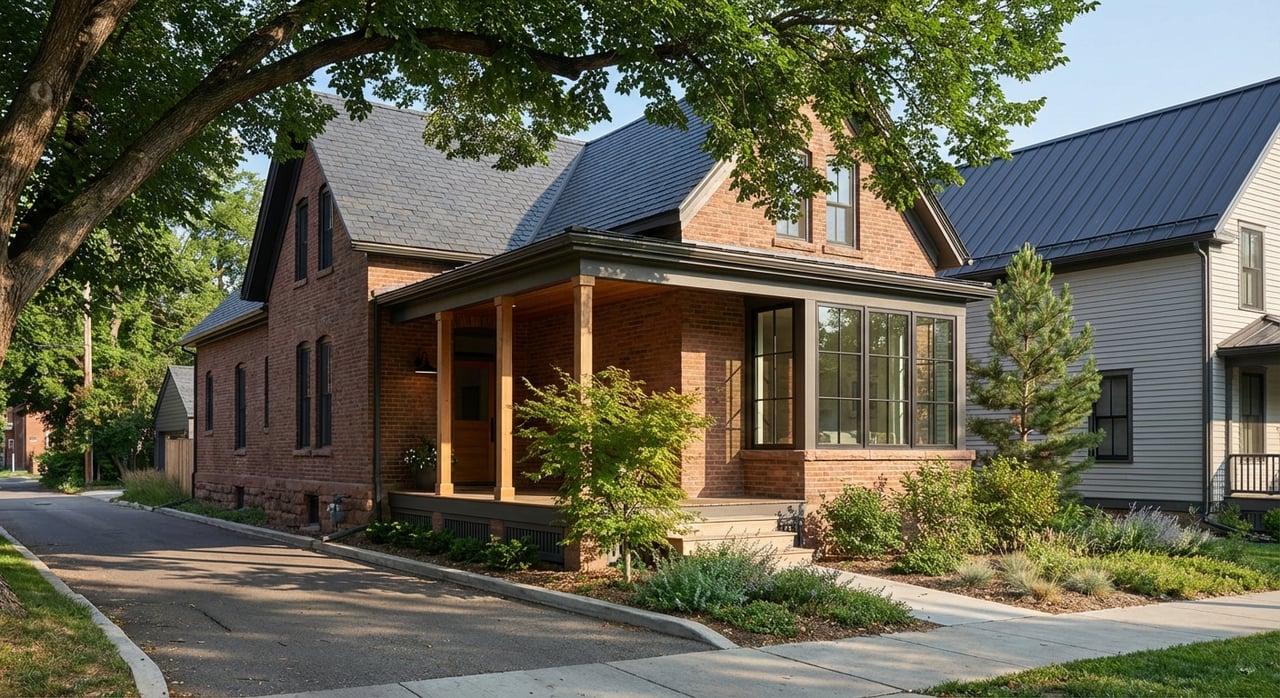
Mapleton Hill Living: Architecture, Trees, Daily Rhythm
What if your morning started under a canopy of maples, a five-minute stroll from espresso and a trailhead? If you crave historic architecture, big shade, and an easy rhythm between downtown and foothills, Mapleton Hill delivers. In this guide, you’ll see what life really feels like here, from porch details to preservation rules, plus tips for tree care and daily routines that make the neighborhood shine. Let’s dive in.
Mapleton Hill sits immediately northwest of downtown Boulder, just above Pearl Street. The neighborhood is one of the city’s locally designated historic districts, a status that helps protect its character and streetscape. For background on how Boulder’s historic districts work, see the City’s overview of what a historic district is.
You’ll notice classic, wide boulevards, mature trees, and a rich mix of late 19th and early 20th century homes. Most residents describe Mapleton Hill as very walkable, typically a short 5 to 15 minute walk to the Pearl Street Mall. You are also close to trailheads that lead into Open Space and Mountain Parks. The Centennial and Mount Sanitas trailhead sits just west of the neighborhood, so a quick loop before work is part of the daily rhythm for many.
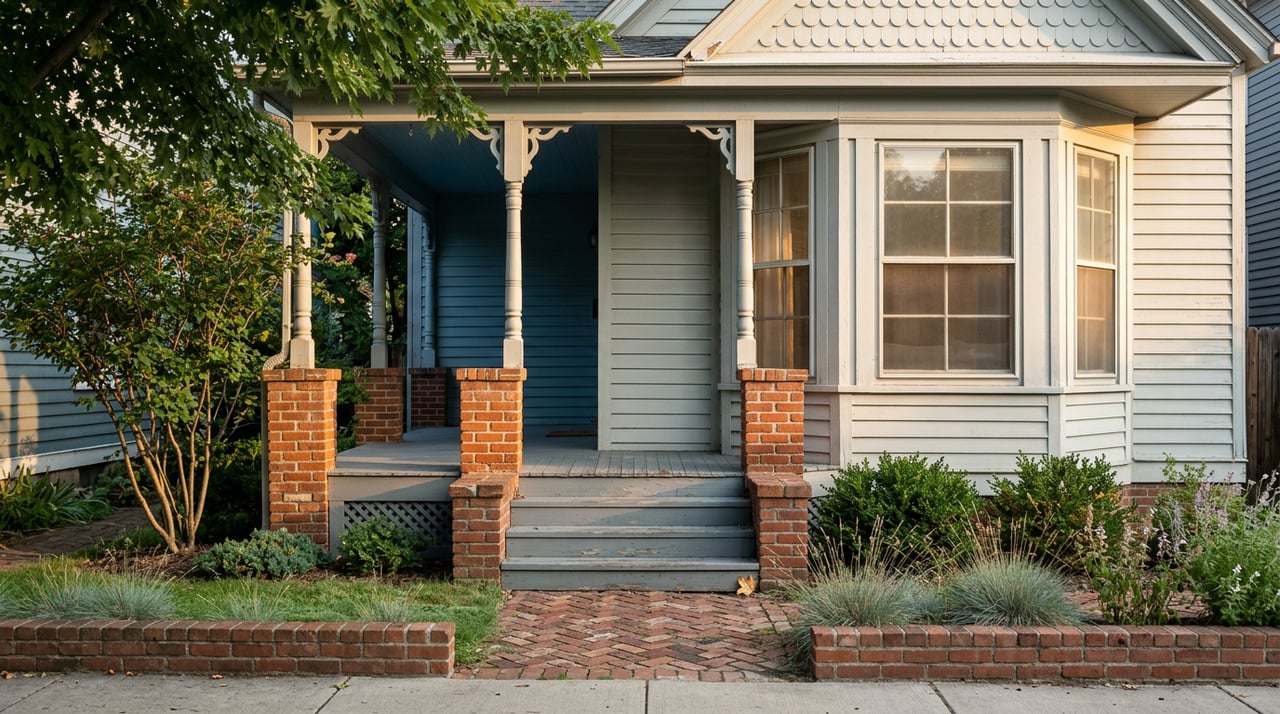
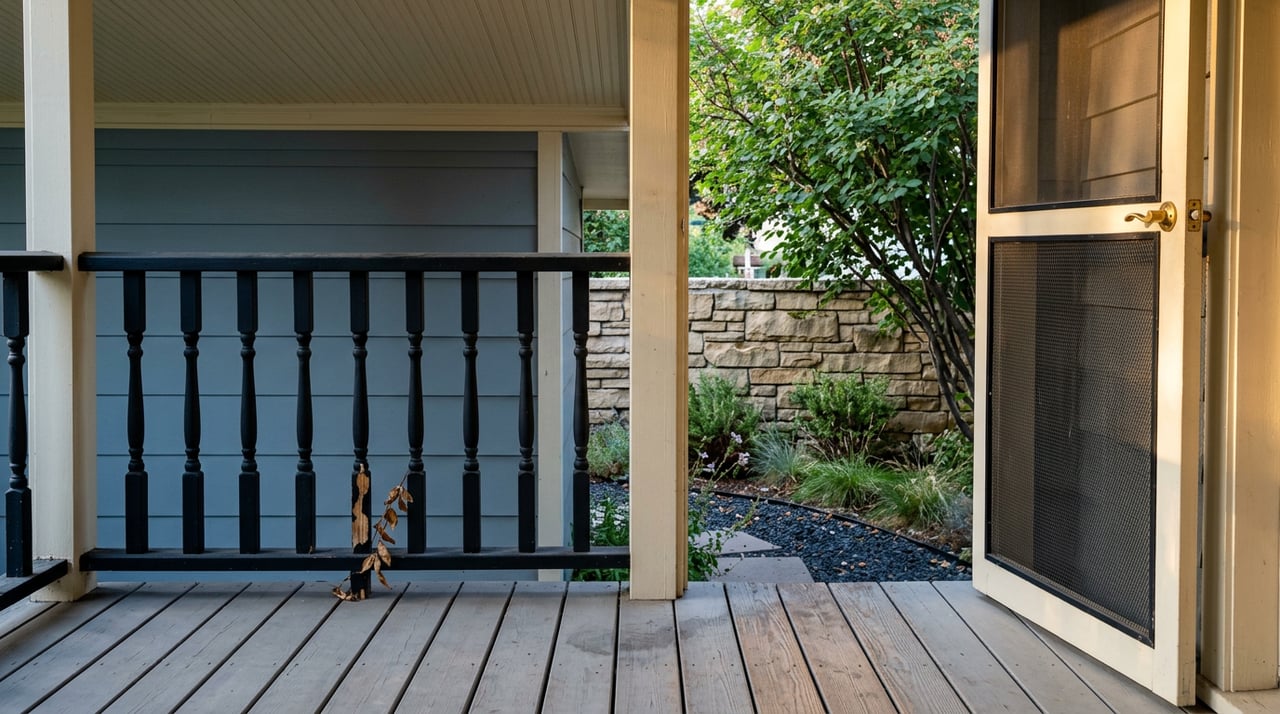
These are Mapleton Hill’s most distinctive homes. Look for asymmetrical facades, turrets, patterned shingles, and deep front porches that invite slow evenings. Many retain original woodwork and stained glass, which adds period texture and color.
Colonial Revival appears in stately forms along Mapleton Avenue and nearby streets. One local landmark, the McInnes “Wedding Cake” house at 1020 Mapleton, is a favorite photo stop thanks to its layered white detailing and fanciful presence. Learn more in this short feature on Boulder’s “Wedding Cake” house.
Craftsman-era homes from the 1910s and 1920s bring broad eaves, exposed rafter tails, and natural materials. Many offer livable, efficient floor plans with generous porches that blur indoor and outdoor life.
You will also find brick colonials and tasteful infill that add another layer to the neighborhood’s story. The mix tells a clear design narrative across decades, yet the streets hold together thanks to consistent setbacks, porches, and canopy.
Much of Mapleton Hill lies within Boulder’s local historic district framework. Exterior changes visible from the street typically require review and a Landmark Alteration Certificate under the city’s preservation guidelines. This process shapes what you can do to facades, porches, roofs, windows, and visible additions. If you are planning updates, start with the City’s design guidelines and Landmarks process.
Practical tips if you are considering a project:
Preservation is not a barrier when approached early and thoughtfully. It protects the value you see when you first walk the block.
Mapleton Hill’s identity is inseparable from its trees. Local histories trace the canopy to an early developer planting program that added more than 200 silver maples and cottonwoods. Today, those mature trees create a dappled, East-coast feel that is rare in the Mountain West. Summer mornings bring soft light across porches. Fall arrives in waves of color. Even winter walks feel architectural, with branches framing rooflines and gables.
That beauty comes with stewardship. Plan for:
Handled well, the trees are an asset that elevates daily life and long-term neighborhood character.
A typical weekday morning might look like this: you step onto Mapleton Avenue, pass porch planters and dog walkers, and head to Pearl for a quick espresso at Ozo Coffee. If you have an hour, jog to the Centennial trailhead for Mount Sanitas, take a 30 to 60 minute loop with foothill views, then return home under the maples to start your day.
Weekends often include the Boulder County Farmers Market on 13th Street, a community ritual where you can pick up greens, bread, and flowers while getting to know vendors and neighbors. Check the Boulder County Farmers Markets schedule for season dates.
Evenings are easy. You can hike a quick Sanitas out-and-back, ride to dinner on Pearl Street, or settle into a front porch chat as the street softens with twilight.
Mapleton Hill leans into porch life. The neighborhood’s PorchFest brings live music to front steps and gardens, drawing neighbors and friends for a relaxed, walkable concert experience. See dates and details at Mapleton Hill PorchFest. You are also close to downtown culture, from bookstores and the library to tea, galleries, and music venues, which keeps your social calendar within an easy stroll.
Families in Mapleton Hill often reference local Boulder Valley School District schools when discussing options. Attendance can vary by address, so be sure to confirm assignments with BVSD’s enrollment and boundary tools. School quality and fit are personal decisions, so take time to visit, ask questions, and review the district’s resources.
Buyers drawn to Mapleton Hill tend to value a specific mix: historic character, generous period interiors, mature trees, immediate trail access, and a short walk to downtown amenities. Many relocation buyers, design-focused homeowners, and empty-nesters appreciate the location and the feel of a cohesive, historic street.
Inventory can be tight, and the historic district setting often commands a premium for the street experience rather than just square footage. If you are considering a move, a clear plan helps you act with confidence.
If Mapleton Hill is on your short list, you deserve guidance that blends neighborhood knowledge with practical building experience. As a Boulder-centric, boutique real estate advisor, I help you evaluate architectural character, preservation implications, and renovation potential with clarity. From buyer representation and relocation support to renovation advisory and strategic listing prep, you get measured advice and a calm, consultative process.
Ready to explore Mapleton Hill homes or talk through a renovation path? Connect with John Canova.

Team up with John to ensure your next Boulder Real Estate Transaction is a Success.