Close‑In Mountain Living Versus In‑Town Boulder Homes
Wondering whether you should choose a close-in mountain home or stay in town in Boulder’s 80304 zip code? It is a smart question, because the difference is not just about views or commute time. Your decision also affects winter access, wildfire planning, insurance, internet reliability, and the kind of daily routine you want. If you are weighing both options, this guide will help you compare the tradeoffs with more clarity. Let’s dive in.
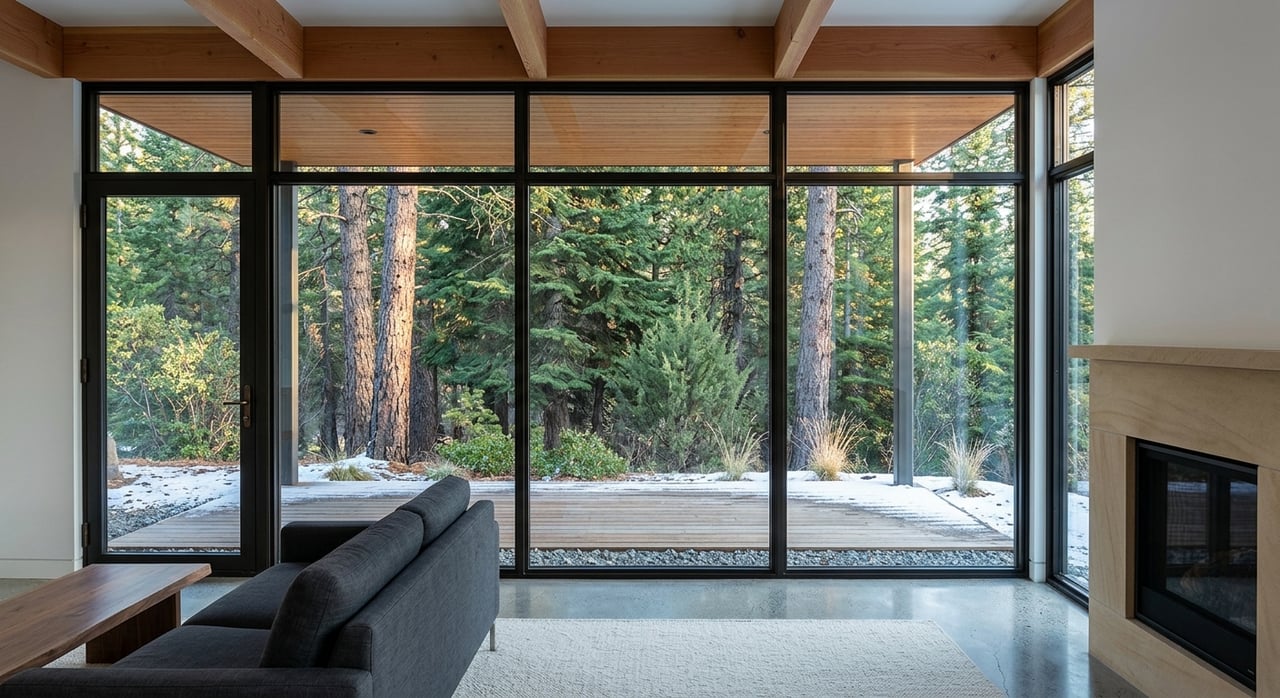
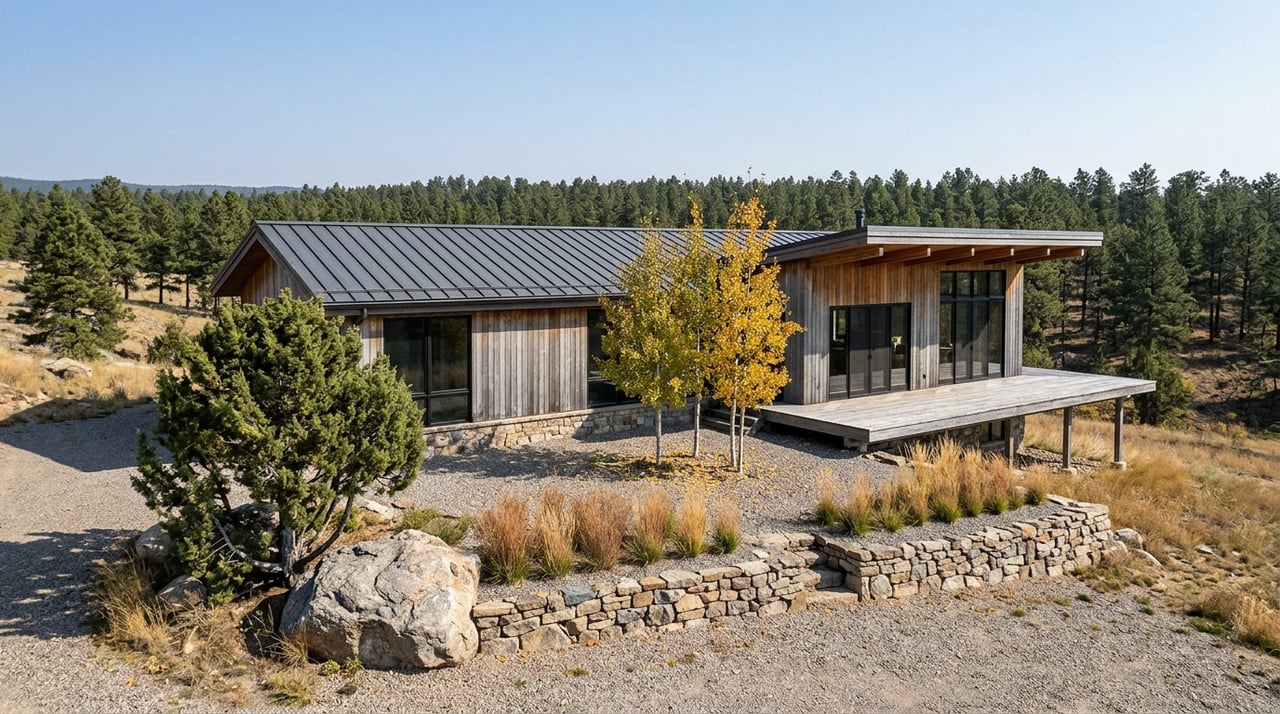
In Boulder, close-in mountain living usually does not mean a remote cabin far from daily life. In 80304, it often means an edge-of-town home near open space, foothill roads, and a more natural setting that still feels connected to the city. The City of Boulder’s wildfire guidance and local landmarks like Foothills Trailhead and Chautauqua help show how these areas can feel tucked away while remaining close to downtown.
That is why the choice between foothill living and an in-town Boulder home is often less about raw distance and more about predictability versus setting. You may gain privacy, views, and a stronger connection to nature near the edge of town. In exchange, you may need to do more due diligence around roads, maintenance, and infrastructure.
For many buyers, the first question is simple: how far from town will you really feel? A City of Boulder transportation study measured the Foothills corridor at about 6 minutes 31 seconds northbound and 6 minutes 45 seconds southbound over 3.5 miles. That is not a promise for every route or every day, but it helps explain why some close-in foothill homes still feel tightly tied to Boulder.
In-town homes usually offer a more straightforward daily rhythm. Streets are on the city’s plowing system, errands can feel simpler, and you are less likely to depend on a steep or less-direct access road. If your week revolves around a predictable school run, office schedule, or frequent downtown trips, that consistency matters.
Winter is often where the real difference shows up. The City of Boulder regularly plows 425 miles of city streets and 73 miles of multi-use paths, but it does not typically plow residential streets after every storm. Boulder County maintains about 700 miles of roadway, nearly half of it gravel, and local access or subdivision roads do receive maintenance, though county crews may not reach some subdivision and mountain roads until major routes are safe after substantial snowfall.
That means a close-in mountain property can feel very convenient most of the year, then feel quite different during a storm cycle. A road’s steepness, surface, and maintenance responsibility all matter. Even a home that is only minutes from town can have a much different winter experience than an in-town block.
If you are looking at a foothill or edge-of-town property, ask detailed questions before you write an offer:
The City of Boulder also notes that some roads can have seasonal closures. For example, Flagstaff Summit Road closes to vehicles for winter and usually reopens around May. That does not apply to every property, but it is a useful reminder to verify the exact road serving the home rather than making assumptions based on location alone.
If you are comparing close-in mountain living with in-town Boulder homes, wildfire risk should be part of the conversation from the start. Boulder County says it ranks among the top 10 most-at-risk areas from wildfire in the USDA Forest Service’s Rocky Mountain Region, and the county reports 1,346 homes and structures lost since 1989. The City of Boulder also says wildfire risk is highest along the western and northern edges of the city.
The city’s guidance adds important context. Wildfire risk is not limited to homes deep in the hills, and risk can exist across the city. Still, the western and northern edges, where many close-in mountain-style properties are found, deserve especially careful review.
One of the most useful ideas for buyers is the home ignition zone. Boulder County says the structure and its immediate surroundings are the main factors in whether a home survives a wildfire, and those conditions are largely determined within 100 feet of the structure. In practical terms, a home’s roof, vents, gutters, vegetation, and immediate site conditions can matter just as much as the broader view or setting.
This is where a design-savvy buyer can benefit from a more technical review. A beautiful foothill property may still need defensible-space work, vent upgrades, or roof and gutter improvements. Understanding those items early can help you evaluate the real cost of ownership, not just the purchase price.
Jurisdiction matters. In unincorporated western Boulder County, the county’s wildfire mitigation code applies to certain new buildings, additions, alterations, and repairs in the area generally west of Highway 93, west of the City of Boulder, and west of Foothills Highway or Highway 36. In the city, Boulder’s wildfire guidance notes that the highest ignition-risk areas lie along the western and northern edges, where added requirements or prohibitions may apply.
For you as a buyer, the takeaway is clear: do not rely on a mailing address alone. Two homes that feel similar in setting may fall under different jurisdictions and different mitigation requirements.
Insurance is one of the biggest practical differences between in-town homes and close-in mountain properties. The Colorado Division of Insurance says the state is facing ongoing challenges in homeowners and HOA insurance, and Colorado now has a FAIR Plan for cases where traditional coverage is unavailable.
If you are considering a foothill home, get insurance quotes early. Confirm replacement-cost assumptions and ask whether wildfire exposure could affect pricing, eligibility, or policy type. Waiting too long on this step can create stress later in the contract period.
If you work from home, stream heavily, or just want fewer surprises, internet access deserves close attention. Boulder’s broadband buildout is improving, but it is rolling out in phases. The city says ALLO began construction in Chautauqua in September 2025, service is expected to begin in mid-2026, and the project aims to reach 80% city coverage by 2028 and 97% by 2030.
That is encouraging, but it does not mean every address has the same service today. The practical lesson is simple: verify internet at the exact property. Do not assume service quality based on the neighborhood name or proximity to town.
In-town homes often have the easier infrastructure story. City services and neighborhood-by-neighborhood broadband rollout can make day-to-day logistics feel more predictable. Close-in mountain homes can still work very well for remote work, but they usually require more parcel-level verification.
For some buyers, this is the category that outweighs everything else. Close-in mountain living often offers a sense of separation that is hard to recreate in town. The Foothills Trailhead, located just north of Boulder off Highway 36, sits immediately north of the town’s edge and is rated low usage, which helps explain why nearby areas can feel quieter and more secluded.
That said, privacy is not automatic. A property may back to open space yet still have visible sightlines to roads, trails, or neighboring homes. If privacy is high on your list, visit at different times of day and pay attention to how the site actually feels, not just how it looks in listing photos.
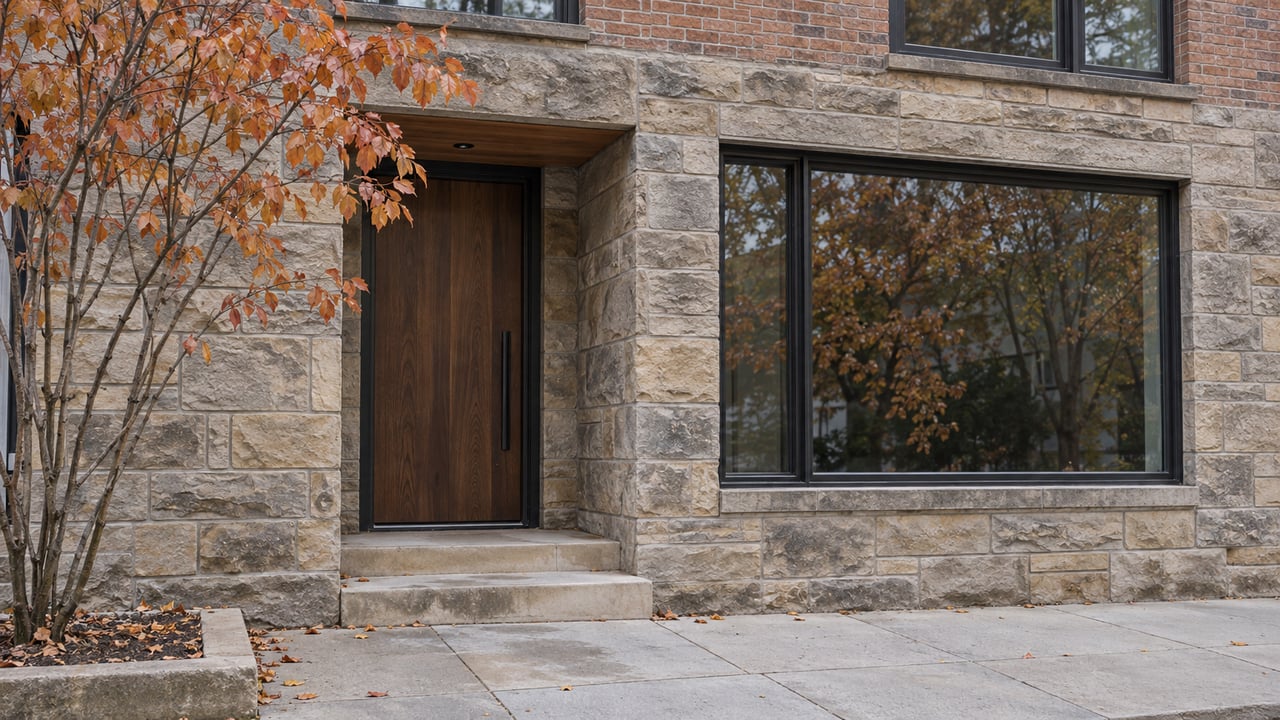
In-town homes in 80304 appeal to buyers who want a more seamless daily routine. You may have simpler access to city streets, less concern about road conditions, and fewer infrastructure unknowns. For many households, that ease supports work, recreation, and social life in a very practical way.
You may also find it easier to budget for upkeep. While every property is different, in-town homes often come with fewer mountain-adjacent variables to investigate. If you value convenience, predictable services, and an easier lock-and-leave lifestyle, staying in town may be the better fit.
The best choice depends on how you want to live, not just what looks best on paper. If you are drawn to views, open-space adjacency, and a greater sense of retreat, a close-in mountain home can be deeply rewarding. If you prefer consistency, easier winter access, and fewer infrastructure questions, an in-town home may serve you better.
A smart way to evaluate the decision is to look beyond the listing itself and study the whole ownership experience. That means checking roads, snow removal, wildfire mitigation, insurance, broadband, and jurisdiction before you get emotionally attached. In Boulder, that kind of local and technical due diligence can make all the difference.
If you are comparing homes in 80304, it helps to work with someone who understands both neighborhood nuance and the practical realities behind the architecture. Whether you are weighing a polished in-town home, a foothill property with privacy, or a remodel with upside, the goal is the same: find the option that truly fits your life. If you want a thoughtful, design-aware perspective on Boulder homes and property tradeoffs, John Canova can help you evaluate the details with clarity.

Team up with John to ensure your next Boulder Real Estate Transaction is a Success.