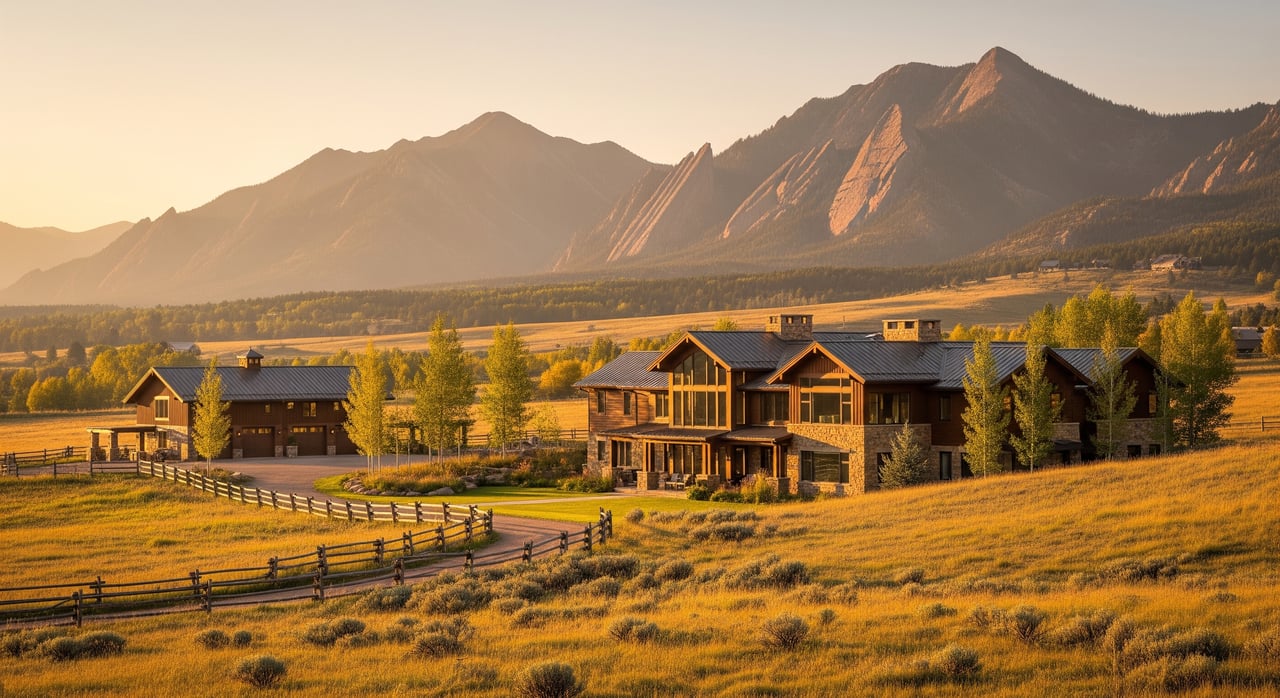
Are you craving more elbow room than an in‑town Boulder lot offers? Acreage living on Boulder’s east side gives you space, privacy, and a quiet rural feel, but it also adds responsibility. You will manage wells or septic systems, longer driveways, and different insurance and risk profiles. This guide walks you through the key tradeoffs, where to look, and the due‑diligence steps that help you buy with confidence. Let’s dive in.
What acreage living means here
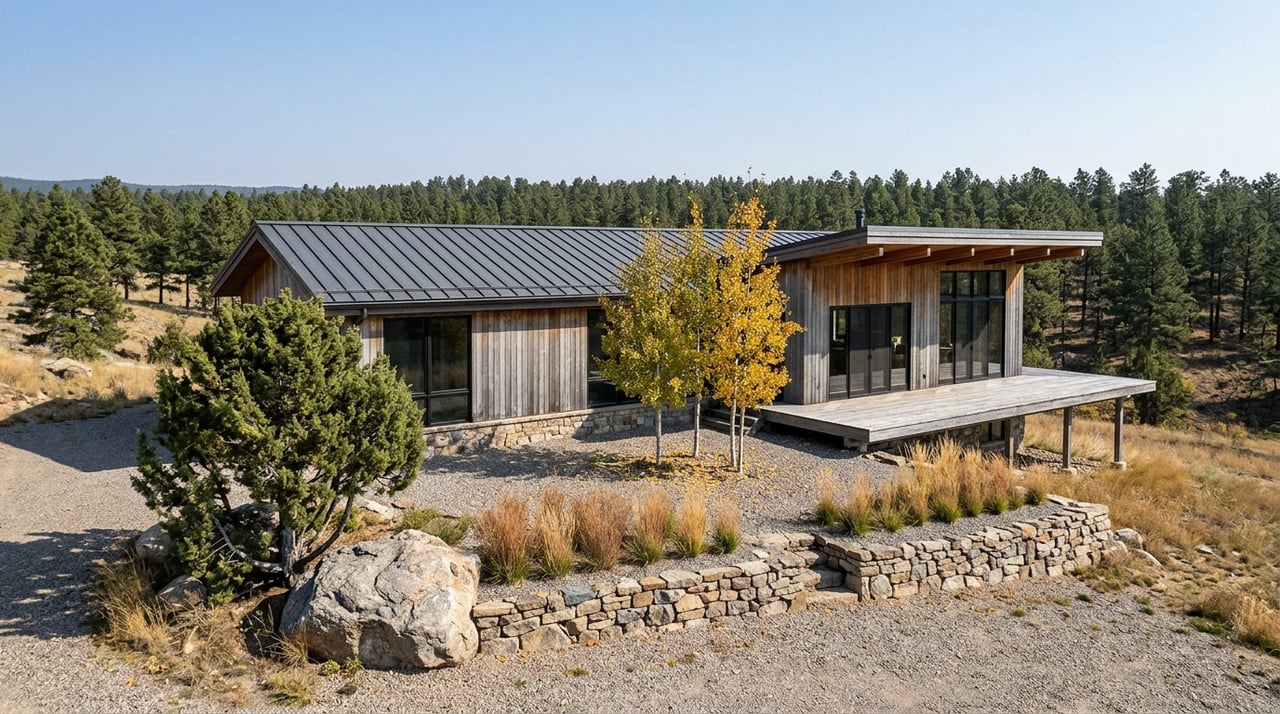
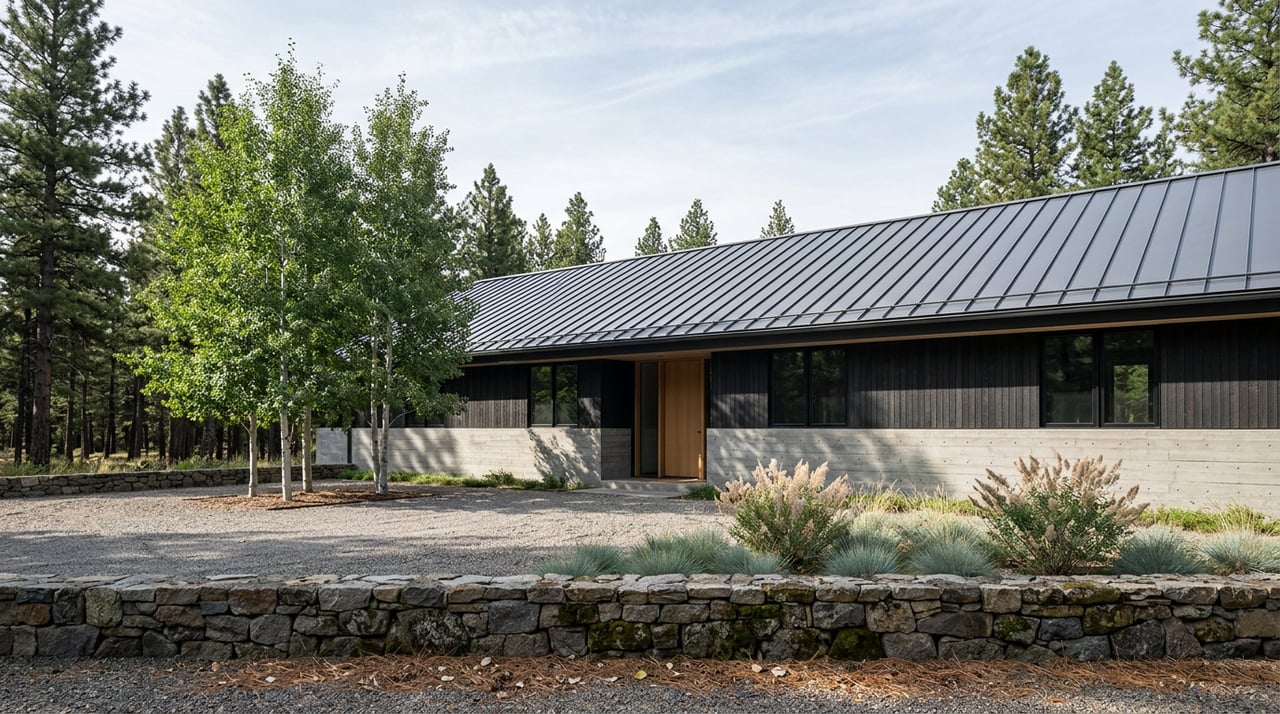
Acreage in Boulder County typically means a ranchette or small farm setting with room for outbuildings and outdoor projects. You trade city services and short commutes for land, privacy, and a more rural character. Micro‑location matters as much as lot size since services, access, and zoning vary widely across unincorporated areas.
Common property types include:
- Ranchettes and small horse properties on 1–10 acres.
- Hobby farms on 5–40 acres with simple agricultural improvements.
- Estate lots in low‑density subdivisions or lot splits.
- Rural residential parcels with outbuildings on 10+ acres.
Where to find larger lots nearby
On Boulder’s east side and the county plains, you will see clusters of acreage in several areas. Availability and rules vary parcel by parcel, so plan to verify with county mapping and planning staff.
- Northeastern and east‑of‑city fringe near the Longmont/Boulder border and the Gunbarrel edge often include ranchettes and small horse properties.
- North and northeast toward Niwot and Longmont offer semi‑rural parcels outside town limits.
- Unincorporated plains and valleys east of Boulder include agricultural parcels and subdivided former farmland.
- Foothill and canyon edges west and southwest of the city feature smaller acreage with steeper terrain and different access considerations.
Confirm parcel details by reviewing Boulder County Assessor or GIS maps, the Land Use Code, and zoning. A quick call with a county planner helps clarify permitted uses, building envelopes, and minimum lot sizes.
Commute and access tradeoffs
Acreage proximity varies. Some fringe parcels are 15–25 minutes to central Boulder, while many others are 30–60 minutes or more depending on road type and traffic. Public transit is limited in rural areas, so most daily commutes depend on private vehicles. Trips to Denver or the airport are typically longer than from in‑town Boulder.
Access matters as much as distance. Paved county roads feel different from private gravel drives. Some roads are maintained by the county, while others rely on an HOA or a road agreement for grading and snow removal. Emergency response times can be longer in rural areas, so identify the fire district, ambulance service, and police jurisdiction.
Practical checks:
- Drive the route at your usual commute time to confirm real travel.
- Ask who maintains the access road and who pays for plowing and grading.
- Confirm whether transit access is realistic for your routine.
Water and wells: what to verify
Many east‑of‑Boulder acreage properties rely on private wells. Municipal water is available only inside service boundaries. In Colorado, well permitting and testing are regulated, and water rights may be separate from groundwater access. The details affect both day‑to‑day living and future plans.
Key steps for buyers:
- Obtain well records, a current well inspection, and a pump test for yield and drawdown.
- Ask about water quality and any water‑sharing agreements or irrigation ditch rights on title.
- If a municipal connection is possible, confirm tap availability and estimated tap fees with the provider.
- If subdivision or expansion is in your plan, ask early about augmentation or water rights requirements.
Septic systems: capacity and compliance
Most acreage homes use on‑site wastewater treatment systems. Age, capacity, and permit status are critical, especially if you want to add bedrooms or outbuildings.
What to review:
- Septic as‑built permits and recent pump or inspection records.
- System capacity versus bedroom count and future expansion goals.
- Soil conditions, reserve drainfield areas, and setbacks from wells, creeks, and boundaries.
- County inspection requirements and timelines as part of your contract contingencies.
Utilities and internet
Electricity and natural gas service vary by micro‑location. Propane or delivered fuel may be common where gas lines do not reach. Broadband options can be limited on rural parcels. Before you fall in love with a home, verify providers and expected speeds for your work and lifestyle needs.
Checklist:
- Confirm electric provider and whether gas is available or if you will use propane.
- Ask for internet options and tested speeds at the property.
- Understand any line extension costs if you plan to add structures.
Wildfire and flood: risk and insurance
Foothill and wildland‑urban interface parcels carry higher wildfire risk. Expect to prioritize defensible space, ember‑resistant features, and clear access for emergency vehicles. Insurance availability and premiums can be affected by location and risk profile.
Some valley and canyon areas are in floodplains or have historic flood risk. The 2013 floods reshaped mapping and permitting, so you should request FEMA and county floodplain determinations during due diligence.
Action items:
- Identify the local fire protection district and ask about defensible space guidance.
- Review wildfire risk, access, and roof or vent features with your inspector.
- Check FEMA and county flood maps, plus any prior flood history.
- Obtain quotes from multiple insurers early in your inspection period.
Land use, easements, and conservation limits
Rural parcels often have recorded easements for utilities, access roads, and irrigation ditches. Some properties are subject to conservation easements or open space controls that limit further subdivision or uses. Mineral rights may be separate from surface rights in Colorado.
What to confirm in title and surveys:
- Recorded access and utility easements that match on‑site conditions.
- Conservation, agricultural, or other covenants that limit future plans.
- Mineral rights reservations and any third‑party access rights.
- A boundary or ALTA survey if fences and legal lines disagree.
Ongoing maintenance and operating costs
Acreage is hands‑on. You will maintain fences, driveways, culverts, and outbuildings. Seasonal chores include snow removal, weed management, and erosion control. Specialized services include septic pumping and well pump maintenance. Build a budget for these items so the lifestyle feels sustainable.
Expect potential cost drivers:
- Private road grading or snow removal if not county maintained.
- Tree care, pasture management, and noxious weed control per county rules.
- Septic pumping at recommended intervals and periodic well service.
- Insurance premiums that reflect wildfire and flood profiles.
Taxes and special districts
Property tax bills often include county, school district, fire district, and other assessments. Some large parcels may qualify for agricultural classification if production standards are met, which can change tax treatment. Confirm eligibility criteria and document requirements with a qualified professional.
Valuation and the offer strategy
Acreage valuation can be less precise since there are fewer comparable sales and unique improvements like barns or arenas. Appraisers may draw comps from wider areas or apply larger adjustments. Market times can run longer than in‑town Boulder. Plan for thorough contingencies and an appraisal strategy that accounts for special features.
Smart contingencies:
- Well inspection and pump test.
- Septic inspection and verification of permitted capacity.
- Soil or perc tests if replacements or additions are planned.
- Title review for easements, rights, and conservation limits.
- Wildfire risk review and a structural inspection focused on ember exposure.
- Survey when boundaries are unclear or improvements sit near lines.
Buyer checklist for east‑side acreage
Use this concise list to organize due diligence and timeline.
- Drive the route at commute hours and note road types and maintenance.
- Confirm who maintains roads and driveways, and who pays for plowing.
- Verify utilities, gas or propane, and internet provider and speeds.
- Obtain well records, pump test results, and water quality info.
- Gather septic as‑built, inspection, and pump records; identify reserve areas.
- Identify the fire district and discuss defensible space and access.
- Review FEMA and county flood data and any past flood history.
- Order title work; confirm easements, mineral rights, and conservation limits.
- Confirm zoning, building rights, accessory structure rules, and setbacks with the county.
- Ask school districts about boundaries and bus service if relevant to your plans.
- Understand weed control requirements and any agricultural use rules.
- Verify property tax classification and any special district assessments.
Is acreage right for you?
If you love privacy, open sky, and space for projects, east‑side Boulder County acreage can be a great fit. You just need to go in with clear eyes about access, utilities, environmental risk, and upkeep. With the right micro‑location and a thorough inspection plan, you can secure the lifestyle you want without surprises.
If you are weighing acreage versus in‑town Boulder, a calm, detail‑driven process helps. From reading county maps to coordinating well and septic tests, you can rely on a local advisor who understands both the design possibilities and the nuts‑and‑bolts of rural systems. When you are ready, reach out to John Canova for boutique buyer representation and relocation guidance tailored to Boulder’s east side.
FAQs
What should I verify first on an east‑side acreage property?
- Start with access and maintenance, well yield and quality, septic capacity and permits, and basic title easements before diving into cosmetic items.
How long are commutes from Boulder’s east‑side acreage?
- Fringe parcels can be about 15–25 minutes to central Boulder, while more distant areas often run 30–60 minutes or more depending on roads and traffic.
Can I connect to city water on a rural parcel near Boulder?
- Only if the property sits inside a service boundary with available taps; many parcels rely on private wells, so verify early with the provider and county.
How do wildfire risks affect buying in the foothill interface?
- Expect to plan for defensible space, ember‑resistant features, and insurance vetting, and confirm guidance with the local fire protection district.
What inspections are critical when I write an offer on acreage?
- Include a well inspection and pump test, septic inspection, flood and wildfire review, title and easement checks, and a survey if boundaries are unclear.
Are conservation easements common in Boulder County?
- Many parcels have conservation or open space restrictions that limit future subdivision and uses, so review title and county records before planning projects.