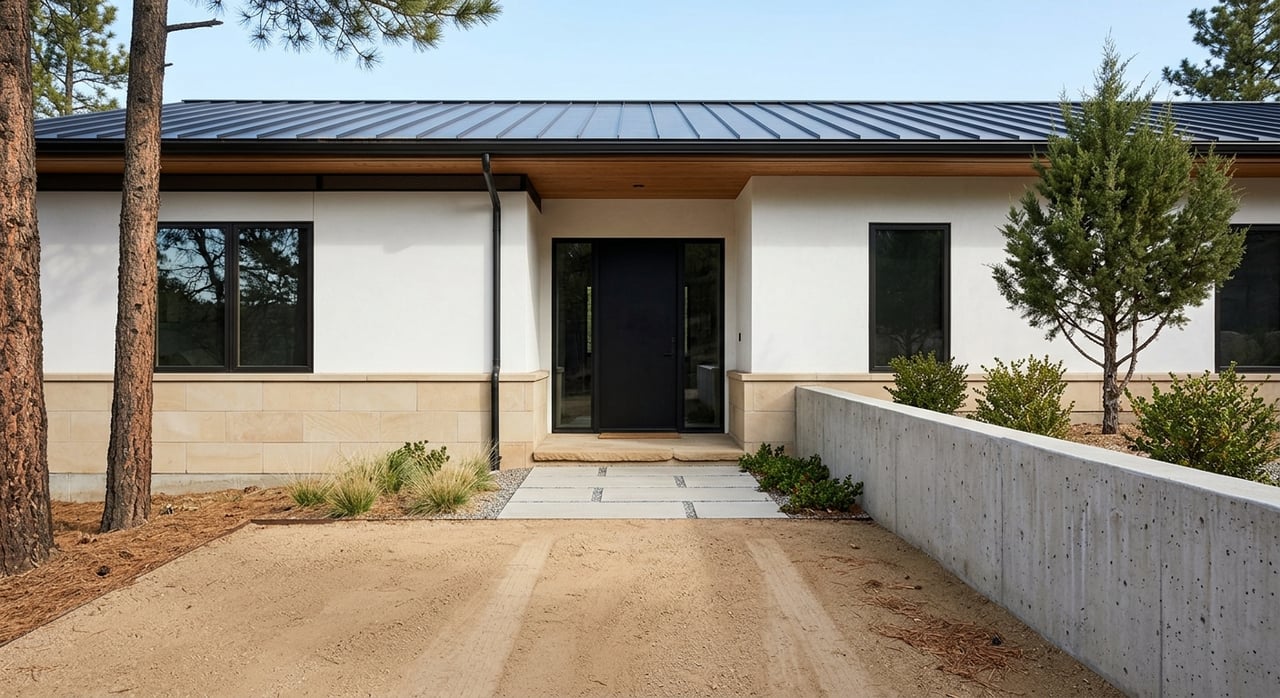
Buying In Sunshine Canyon: Access, Fire, Design Considerations
Buying in Sunshine Canyon can be incredibly rewarding, but it asks more of you than a typical home search in Boulder. Here, the road, driveway, wildfire mitigation, and even address signage are part of the property’s day-to-day function, not just background details. If you are considering a home, cabin, remodel candidate, or land opportunity in Sunshine Canyon, understanding these factors early can help you avoid surprises and make a more confident decision. Let’s dive in.
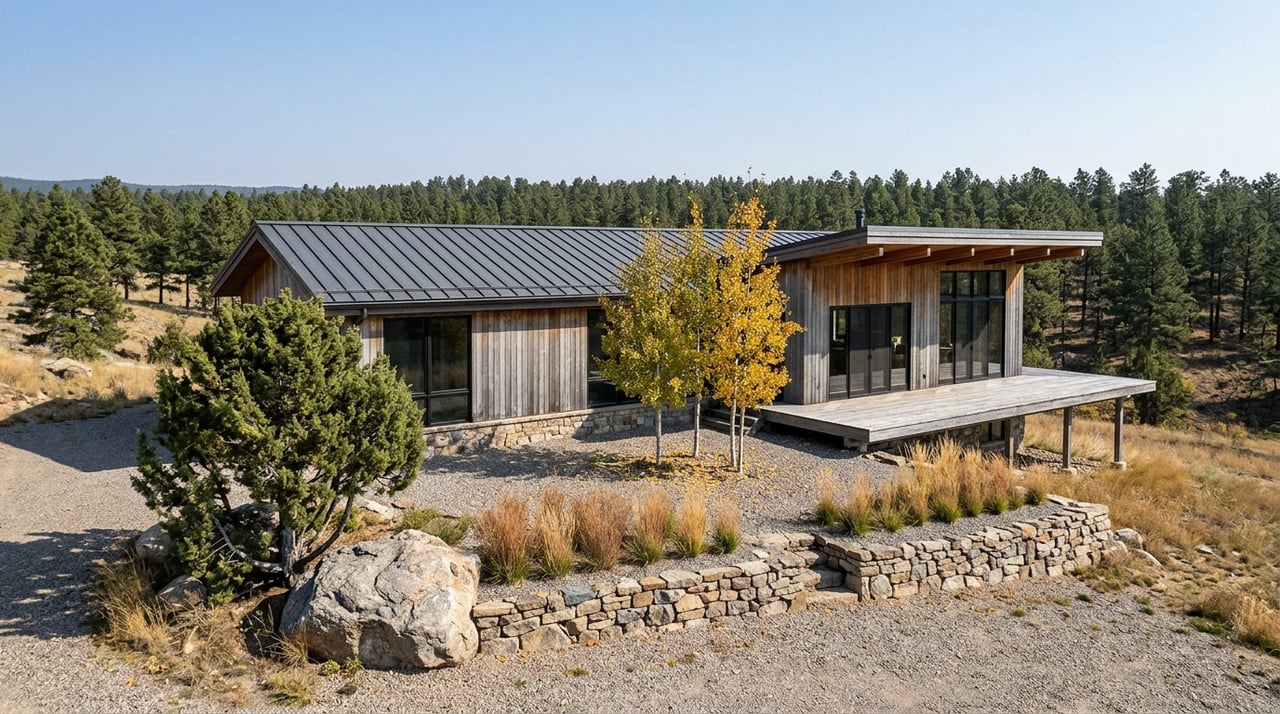
Sunshine Canyon offers a mountain setting where access and wildfire resilience are central to how a property works. The Sunshine Fire Protection District describes itself as an all-volunteer district, and its community work includes cistern projects and slash chipping.
That local context matters because emergency response, defensible space, and practical access are not optional details in this area. Boulder County also notes that the conditions within the first 100 feet of a structure are the most important for wildfire survival, which makes site planning and exterior condition especially important when you evaluate a property.
Before you get too attached to a home, confirm how the road is classified and maintained. Boulder County’s official Road Map is the key source for road ownership, use, and maintenance, and it shows that maintenance levels can vary significantly.
Some local, local-secondary, and jeep-class roads may receive only reasonable access maintenance, and some may not be maintained for passenger cars. In winter, lower-volume and local-access roads are generally plowed after higher-priority routes are open, so snow removal timing can depend on weather, equipment, and staffing.
For you as a buyer, that means a beautiful setting is only part of the story. You also want to know whether year-round access fits your lifestyle, vehicle, commute, and comfort level.
In Sunshine Canyon, the driveway deserves the same attention as the roof or foundation. Boulder County’s emergency vehicle access standards call for an all-weather driveway surface, 13 feet 6 inches of vertical clearance, a 12-foot drivable width in mountain areas, and 2-foot clear zones on both sides.
The same standards also call for a maximum driveway grade of 12%, with limited mountain exceptions. If the structure sits more than 150 feet from a public or private road, a turnaround is required, and pullouts are called for at 400-foot intervals on driveways or private access roads.
These are not minor technicalities. If a driveway is too narrow, too steep, or lacks turning space, you may be looking at future improvement costs, permitting questions, or practical access issues for deliveries, contractors, and emergency vehicles.
The Sunshine Fire Protection District also warns on its Sunshine Saddle page not to block the turnaround or escape route. That is a useful reminder that turning and staging space are part of safe access in this canyon.
A hidden driveway can create real delays in an emergency. Boulder County’s Mountain Addressing System uses mile-point addressing to support faster emergency response and expects a reflective green address plate at the driveway entrance.
That marker should be visible from both directions and mounted on a noncombustible support. When you tour a property, check whether the home can be found quickly from the road, especially at night or in poor weather.
If you are buying in Sunshine Canyon, wildfire mitigation should be treated as a core property characteristic. Boulder County’s wildfire mitigation code requirements apply in western unincorporated county areas, and the building permit process includes a wildfire assessment before a permit is issued.
The county is clear that the first 100 feet around a structure matter most for wildfire survival. That means landscaping, tree spacing, deck areas, exterior materials, and site organization all deserve close review.
For buyers considering older cabins or homes with remodel potential, this is especially important. Additions over 200 square feet, certain accessory structures, and some porch, projection, or deck work can trigger defensible space requirements and related review.
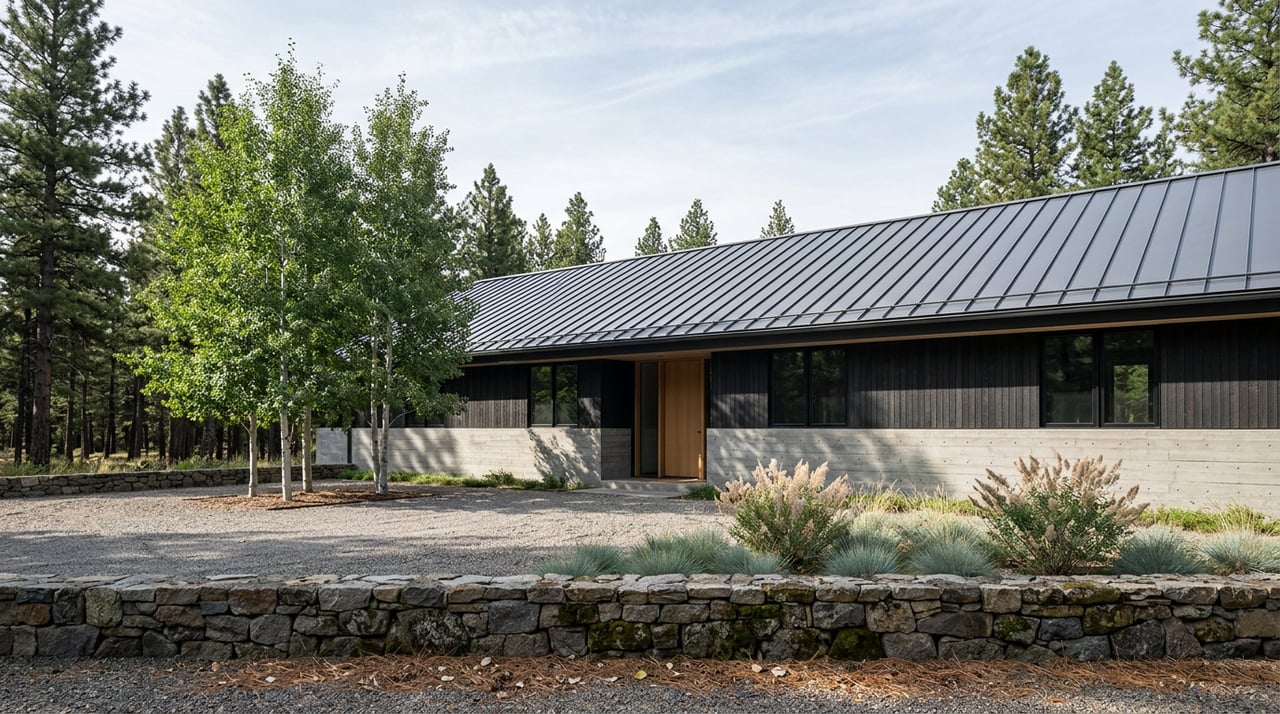
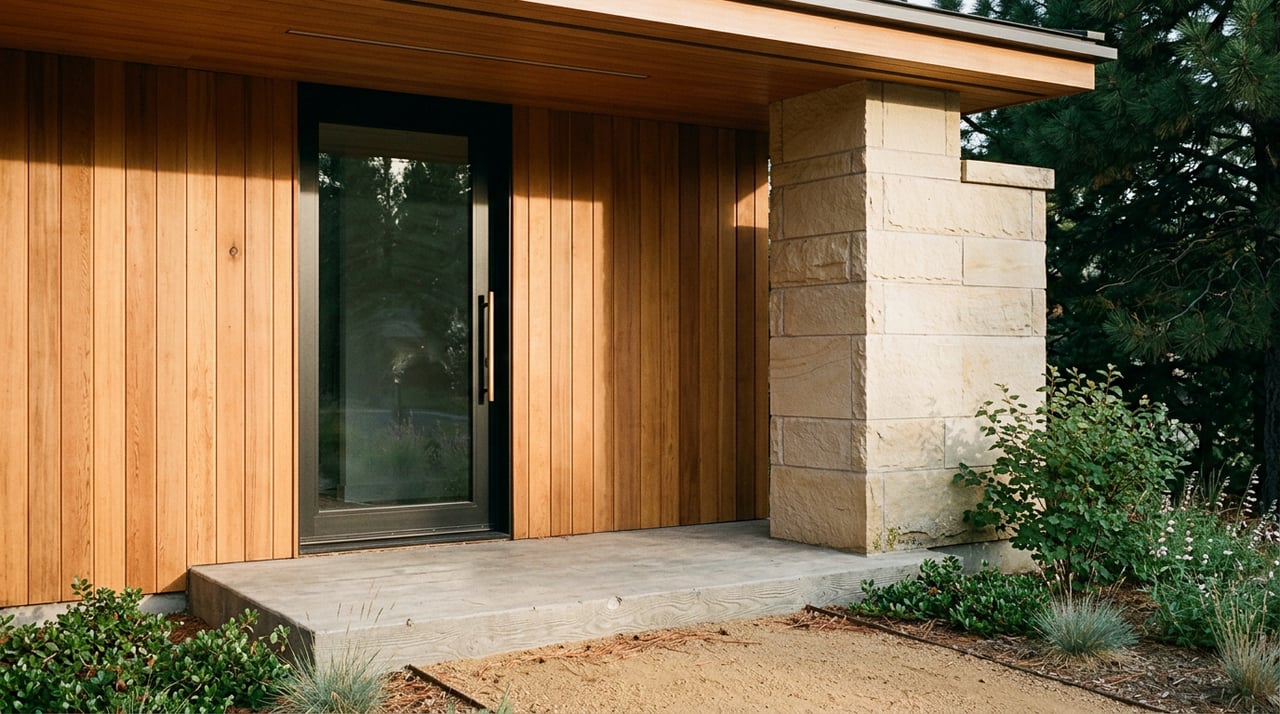
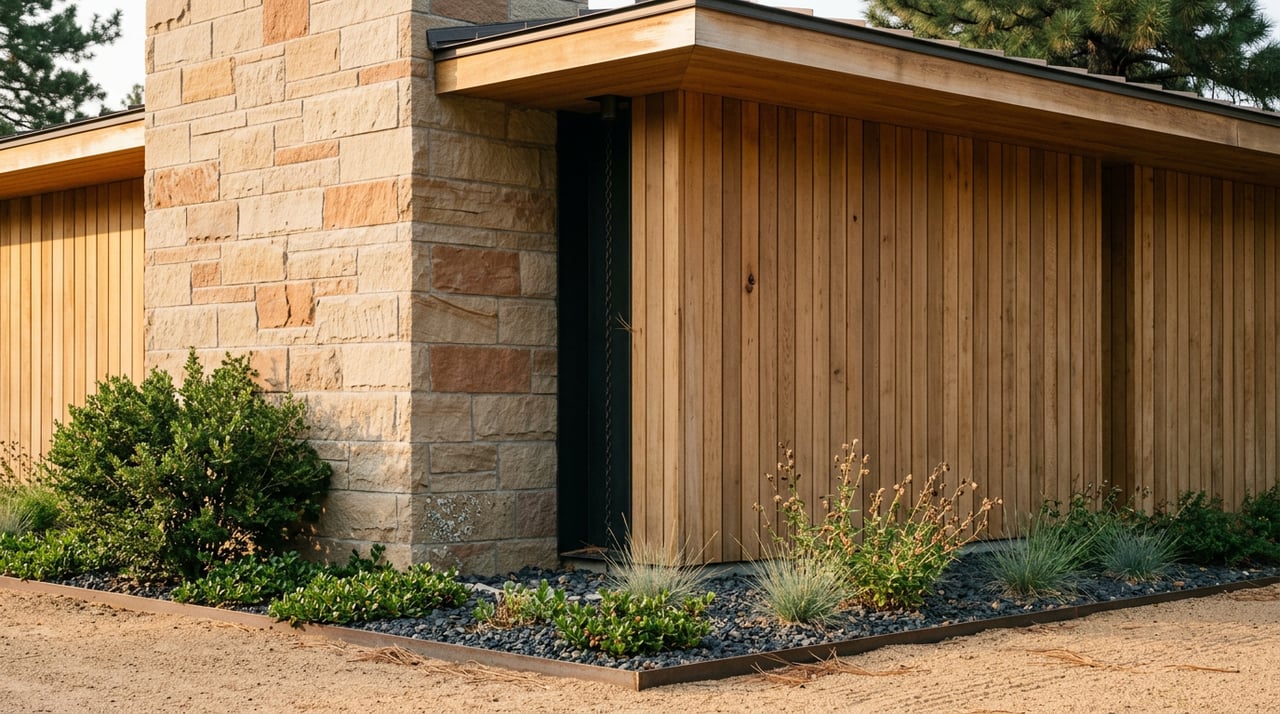
Many Sunshine Canyon purchase decisions come down to the building envelope. Boulder County’s ignition-resistant construction guidance highlights common fire-hardening features such as a Class A roof, noncombustible gutters and downspouts, ember-resistant listed vents, ignition-resistant or noncombustible exterior walls, and protected eaves, soffits, and deck undersides.
The code also requires attached fences or retaining walls to be noncombustible or ignition-resistant for five feet beyond the exterior walls. It also calls for a noncombustible perimeter within three feet of the house and under decks.
From a practical buying standpoint, these details help you understand both current risk and future upgrade needs. If you are evaluating an older mountain cabin, likely renovation themes may include the roof, vents, gutters, siding, eaves, deck rebuilds, or under-deck improvements.
Emergency water supply is another major consideration in mountain properties. Boulder County states that new residences require a firefighting cistern or equivalent emergency water supply, and it specifically notes that the Sunshine Fire Protection District requires an emergency water supply for new homes.
The district’s community wildfire planning also includes cistern projects. If you are buying a newer home, planning a major remodel, or considering a rebuild, this is one of the first infrastructure questions to clarify.
Septic diligence should happen early, not at the last minute. Boulder County’s property transfer septic requirements say that dwellings and structures with plumbing must have an adequately operating, approved septic system sized for the correct number of bedrooms at sale, or there must be a signed agreement to repair within one year.
A transfer certificate is not required if the entire septic system was installed and received final county approval less than five years before closing. In practice, that means permit history, inspections, and bedroom count should be reviewed well before your contingency deadlines.
Insurance can be one of the biggest filters in a Sunshine Canyon purchase. Wildfire Partners says its certification can be used as proof of mitigation for insurance purposes, which may help support placement with standard carriers.
If standard coverage is not available, the research also points to the Colorado FAIR Plan as a last-resort option for some homeowners after declinations, though it typically comes with higher premiums and more limited coverage. For you, the takeaway is simple: get quotes early and ask whether mitigation work or an existing certificate may improve your options.
If you are serious about buying in Sunshine Canyon, keep this short list in front of you during the inspection and due diligence period:
In Sunshine Canyon, two homes with similar square footage can carry very different practical realities. One may have straightforward winter access, a compliant driveway, recent mitigation work, and easier insurance options. Another may need widening, defensible space improvements, building-envelope upgrades, or deeper review of septic and water supply.
That is why it helps to work with someone who can look beyond surface appeal and assess how a mountain property functions. If you are considering Sunshine Canyon and want a grounded, design-aware perspective on access, fire resilience, remodel potential, and purchase strategy, connect with John Canova.

Team up with John to ensure your next Boulder Real Estate Transaction is a Success.