Buying Near Chautauqua Park: Views, Access, Regulations
Want to live where Boulder’s most iconic views meet direct trail access? Buying near Chautauqua can be a rare chance to own next to one of the city’s most recognizable historic landscapes, but it also comes with tradeoffs you need to understand before you write an offer. If you are considering a home near Chautauqua Park, this guide will help you weigh views, access, pricing, and renovation rules so you can make a smart, well-informed decision. Let’s dive in.
Chautauqua is not just another park-side pocket in Boulder. According to the City of Boulder’s Chautauqua Park overview, the area dates to 1898, includes city-owned parkland and historic structures, and draws more than 500,000 visitors each year.
For many buyers, the appeal is easy to see. You get immediate access to Open Space and Mountain Parks trails, broad Flatirons views, and a setting shaped by one of Boulder’s most important historic landscapes. The Ranger Cottage and trailhead area functions as a gateway to OSMP activity, which helps explain why this location feels so connected to Boulder’s outdoor identity.
There is also a strong visual character here that differs from many other luxury areas in town. The National Park Service nomination notes that the openness of the cottage landscapes, the modest scale of structures, and the lack of fencing all contribute to a camp-like setting with public views through the district.
The biggest draw is simple: access. If you want to step outside and be close to trailheads, open lawns, historic structures, and some of Boulder’s most memorable scenery, very few areas compare.
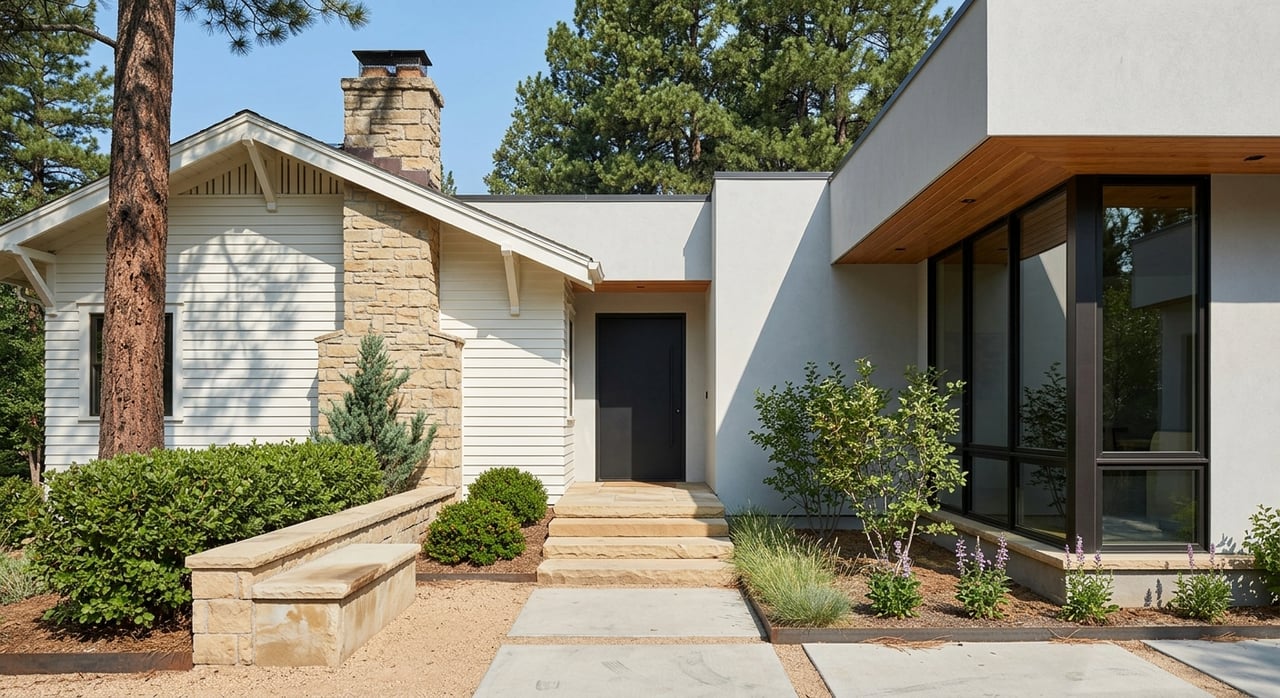
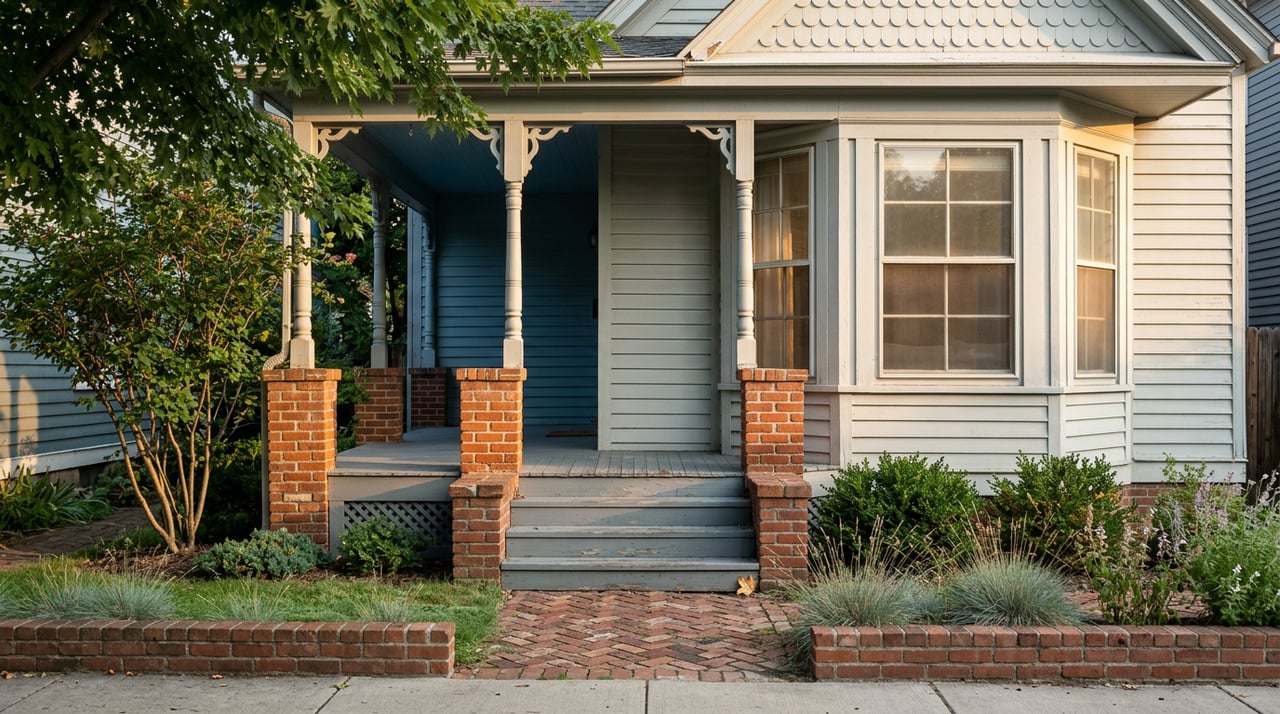
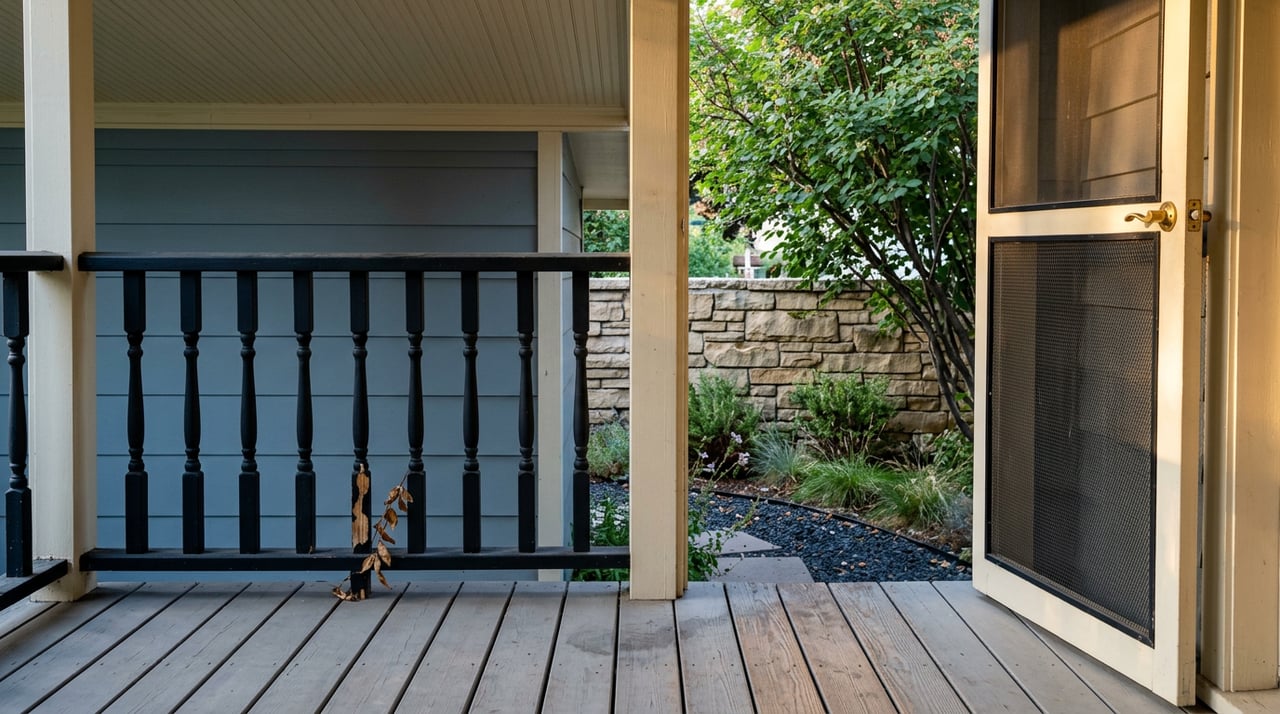
Chautauqua also appeals to buyers who value architectural character. Much of the area’s built form is rooted in historic cottage design, with one-story and one-and-a-half-story homes, porches, horizontal siding or shingles, and Craftsman influences that give the neighborhood a distinct rhythm and scale.
For design-minded buyers, that historic character can be part of the value. It creates a setting that feels established and highly specific to Boulder, rather than interchangeable with a newer subdivision.
The same features that make Chautauqua special also create the biggest day-to-day challenge: traffic and parking pressure. The city’s Chautauqua trailhead page says parking is very limited around Grant and Baseline, the trailhead lot has just 48 standard spaces, and the area is classified as a high-use trailhead with more than 200 average visits per day.
In practical terms, that means your weekends, holidays, and even many pleasant-weather weekdays can feel busier than other Boulder neighborhoods. Visitors often park on Baseline and nearby streets when the main lot fills.
That does not make the area less desirable, but it does mean you should think honestly about your tolerance for visitor activity. A home near Chautauqua offers exceptional convenience for recreation, yet you are also living next to a major public destination.
Seasonal management is part of normal life near the park. The city’s Park-to-Park shuttle announcement says summer weekends and holidays include paid parking in Chautauqua and nearby blocks, with free satellite parking and shuttle service every 15 minutes from 8 a.m. to 8 p.m.
Some nearby streets also fall within the Chautauqua North CAMP neighborhood parking permit zone. If you are buying here, verify whether your specific parcel is affected, because posted rules and permit requirements can change.
As of spring 2026, the city is carrying out Chautauqua infrastructure improvements that include undergrounding utilities, improving water and stormwater systems, and repaving streets. The city says residents may receive 72-hour no-parking notices in active work areas.
That work may improve long-term function and help preserve viewsheds, but in the near term it can change parking and circulation patterns. Before closing, it is worth checking whether your block is near active construction.
If you are buying near Chautauqua, historic review is one of the most important ownership realities to understand. The City of Boulder’s historic district overview explains that Chautauqua was designated a local historic district in 1978, and the area is also associated with a National Historic Landmark.
Historic designation does not freeze the area in time, but it does add a layer of design review. That matters whether you are planning a major addition or simply thinking about replacing a roof or repainting the exterior.
Boulder requires a Landmark Alteration Certificate, or LAC, for all exterior changes to properties in a historic district, including newer buildings within the district. The city lists re-roofing, repainting, mechanical equipment, fences, additions, solar panels, paving, hardscaping, and mature tree removal among the types of work that can trigger LAC review.
The timing is important. Exterior work must receive LAC approval before you submit a building permit application.
For buyers, this should shape how you evaluate a property’s upside. A home that looks like an easy cosmetic refresh may still require a formal review process if the work affects the exterior.
Windows and doors often become key discussion points in historic homes. Boulder’s window and door replacement guidance treats them as character-defining features and encourages repair over replacement when feasible.
That means you should not assume a future window package or exterior door update will be simple. If a house needs this type of work, it is smart to factor both timing and review requirements into your budget and planning.
Interior work usually does not require an LAC. Still, the city’s historic building energy-efficiency page notes that substantial rehabilitation can trigger permits and energy-code requirements, while exterior energy upgrades such as windows, doors, and renewable-energy systems may require historic review.
This is where practical construction knowledge matters. If you are buying with renovation plans, you want a clear picture of which changes are straightforward and which ones may involve layered approvals.
Inventory near Chautauqua tends to be limited, which can make pricing harder to read at a glance. The research shows broad-market data are thin, so current listings in East Chautauqua and Lower Chautauqua offer the clearest real-time signals.
For East Chautauqua, Zillow’s home value index was $1,728,550 as of December 31, 2025, while Realtor.com’s February 2026 snapshot showed a median list price of $3,022,500, 13 homes for sale, about $755 per square foot, and roughly 40 days on market. Those figures reflect different methodologies and a very small inventory base, so they are best used as directional context rather than a single definitive number.
The same research places Boulder’s overall Zillow home value around $943,114, which suggests East Chautauqua sits well above the citywide average. Lower Chautauqua examples in the report ranged from about $1.9 million to just under $3.0 million, while East-side examples stretched from roughly $2.795 million to $8.0 million.
Based on the current examples in the research report, a useful working range looks like this:
This is not a formal median. It is simply a practical bracket based on current listing examples in a very low-inventory area.
In Chautauqua, due diligence should go beyond the usual inspection and financing steps. Because access, historic controls, and future project feasibility all matter here, you want a sharper pre-offer checklist.
Start by confirming whether the parcel is inside the historic district and whether it sits in a neighborhood parking permit zone. Boulder’s building permits and inspections page makes clear that historic properties can require additional approvals.
Ask for prior permits, Landmark Alteration Certificates, plans for additions, and records for exterior changes such as roofing, fences, windows, solar, paving, or other visible improvements. If the home is older than 50 years and not designated, demolition review may still apply under city rules.
If you want to expand the house, add outdoor hardscaping, or explore an ADU, do not wait until after closing to investigate feasibility. Boulder’s ADU guide says ADUs require a building permit and must meet land-use standards, and designated historic properties may be allowed larger ADUs than standard projects.
That does not mean every lot will support one. It means the analysis should happen early.
Because Chautauqua sits at the foothills, site-specific conditions can matter. The city notes that steep-slope or wildland-urban-interface properties can trigger added requirements such as soils reports, grading and drainage plans, or ignition-resistant construction review.
Parking rules, seasonal shuttle operations, and nearby construction can shift quickly. It is wise to confirm the current access picture again right before closing, especially if your move-in timeline lines up with summer visitor season or active infrastructure work.
For the right buyer, absolutely. Few Boulder locations combine immediate trail access, iconic Flatirons views, architectural character, and a sense of place the way Chautauqua does.
But this is not a plug-and-play neighborhood if you want easy parking, low visitor traffic, or a simple exterior remodel process. Buying here is often about accepting more complexity in exchange for one of Boulder’s most distinctive settings.
If you are weighing a purchase near Chautauqua, the best approach is to look beyond the view and study the property as a full package: setting, access, historic review, renovation potential, and long-term fit. If you want clear guidance on how a specific home stacks up, John Canova can help you evaluate the opportunity with local insight and practical construction perspective.

Team up with John to ensure your next Boulder Real Estate Transaction is a Success.