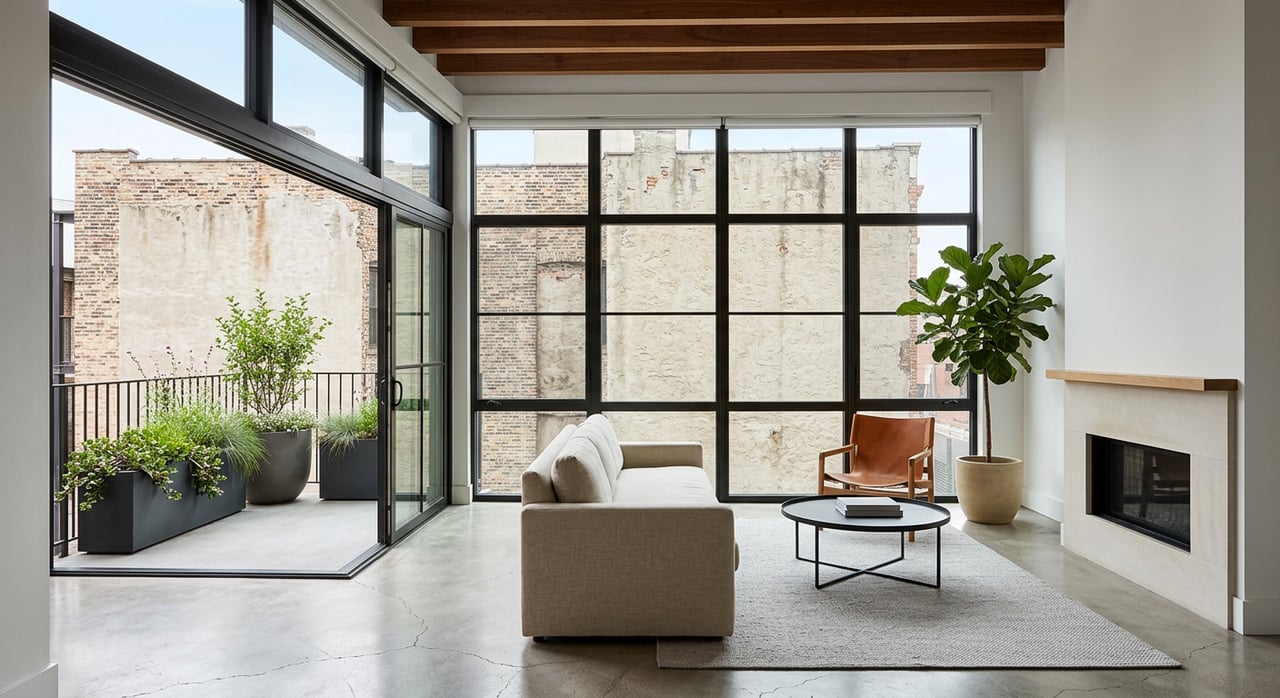
Is Downtown Boulder Condo Living The Right Fit?
Picture your morning starting with a stroll to the farmers market and your evening ending at a show, all without moving your car. If that sounds appealing, a downtown Boulder condo could be a strong fit. You might also wonder about noise, parking, HOA dues, and whether the space will feel right day to day. In this guide, you’ll get a clear, local view of what downtown condo living really delivers so you can decide with confidence. Let’s dive in.
Living downtown puts you close to dining, art, live music, and community events. You can walk to the Boulder Museum of Contemporary Art and the Boulder Theater, with dozens of galleries and venues nearby. The Downtown Boulder Partnership keeps the district lively with programs like Taste of Pearl and Bands on the Bricks, which many residents enjoy as part of their weekly rhythm. You can explore event highlights and history through the Downtown Boulder Partnership’s coverage of the Pearl Street Mall’s 50th anniversary programming for a sense of year‑round energy. Learn more about the Pearl Street Mall’s history and events.
If you value local food, the seasonal Boulder County Farmers Market on 13th Street becomes part of your weekend routine. It is a quick walk for most downtown residents and a convenient way to plan simple, fresh meals without driving. View the Saturday Boulder County Farmers Market details.
Walkability is a headline benefit. Sample Walk Score data for 19th and Pearl puts the area in the low 90s, which is considered a Walker’s Paradise. It means most errands and outings are realistic on foot. Check the Walk Score for 19th and Pearl.
Downtown offers a mix of building styles. You will see mid‑century courtyard walk‑ups, loft conversions above retail, boutique elevator buildings with underground parking, and newer luxury condos with larger footprints and rooftop terraces. Amenities vary by project, so confirm details for each address.
Smaller buildings and older walk‑ups often feature 1‑bedroom floor plans around 650 to 900 square feet. These work well if you want a lock‑and‑leave lifestyle and plan to spend most of your time out in the neighborhood.
Boutique mid‑rises and updated loft conversions commonly range from about 900 to 1,400 square feet, sometimes with flexible open plans. These homes can feel generous for two people or for someone who wants a dedicated office.
Select developments include multi‑level condos that reach 1,500 to 2,000+ square feet, often with private rooftop decks and multiple parking spaces. These deliver single‑family comfort with a downtown address.
Monthly HOA dues typically fund exterior and common‑area maintenance, snow removal, trash, a building master insurance policy for common elements, management fees, and reserves. Each association’s covenants and budgets define specifics, and Colorado communities operate under the Colorado Common Interest Ownership Act for governance and disclosures. Review Colorado’s HOA legislative guidance for licensees.
In recent downtown listings, dues have ranged from the low $400s per month in older, low‑amenity walk‑ups to the $350–$700 range in mid‑rise elevator buildings, with luxury or full‑service buildings sometimes exceeding $700 per month. The spread depends on amenities and reserve funding.
What to confirm before you buy:
Parking is building specific. Some condos include one assigned underground or surface stall, while others offer none. Always verify the deeded or assigned parking with the listing and HOA documents.
If you need extra or occasional parking, the City of Boulder operates downtown garages and lots near Pearl Street with contactless payment options. See city parking garages and rates. Neighborhood permit eligibility varies by block and requires local registration in many cases. Check parking permit eligibility and requirements. Downtown meters and posted rules are actively enforced, so get familiar with the schedule. View parking services and enforcement info.
Transit access is a plus here. Multiple RTD routes serve downtown, including regional connections such as the BOLT linking Boulder and Longmont, with transfer links to Denver‑area services. See the RTD BOLT route overview.
Downtown carries a higher ambient noise baseline than residential neighborhoods. Street life, patios, deliveries, and weekend events shape the sound profile, especially near the Pearl Street Mall and performance blocks. That energy is part of the experience many buyers seek. For context on how the city approaches sound, Boulder recently updated its noise ordinance to create more objective standards for residential areas. These changes do not automatically apply to commercial districts like the downtown core, and special events operate under separate permits and rules. Read the city’s update on noise rules.
If you are sensitive to activity later in the evening, consider a building that is off the busiest blocks or that sits away from ground‑floor commercial space. Proximity to campus and The Hill can also shape weekend dynamics. The city’s party registration program for student events is one tool used to reduce nuisance calls in residential areas near campus. Learn about Boulder’s party registration program.
If you plan to rent your condo, especially for short stays, know that Boulder requires licensing and tax compliance for short‑term rentals. Many HOAs add their own restrictions or bans on STRs, so you need to review both the city rules and the building’s governing documents before you count on rental income. Start with the city’s STR licensing overview and the application details.
Key takeaway: Even if a listing appears to have been rented short term before, current rules may be different. Always verify during your contract’s document review period.
Downtown prioritizes walkability to restaurants, culture, and events, with most homes in condo or loft buildings and smaller private outdoor spaces. Mapleton Hill features primarily single‑family homes on tree‑lined streets within minutes of Pearl Street, with a quieter residential feel and a historic preservation review process for many exterior changes. Inventory there includes fewer condos.
Whittier offers strong walkability and a residential vibe that is typically calmer than the Pearl Street core. It includes a mix of single‑family homes and smaller multi‑unit properties, providing a middle ground for downsizers who want a walkable lifestyle without the busiest downtown blocks. For a general snapshot of walkability in Boulder neighborhoods, you can browse the city view on Walk Score. Explore Boulder on Walk Score.
Newlands sits west of downtown with larger lots and a more private, suburban feel. It is an easy bike ride or short drive to Pearl Street and trailheads, but it does not deliver the same daily pedestrian energy you find in the core. Newlands often suits buyers who want outdoor space and quieter streets while staying close to amenities.
Use these prompts to test fit:
Protect your purchase with focused due diligence:
A downtown Boulder condo gives you a car‑light lifestyle, front‑row access to culture, and a strong sense of place. In exchange, you accept a bit more buzz, variable parking, and a homeowners association that sets building rules and budgets. If that tradeoff aligns with how you want to live, downtown can be an excellent fit.
When you want help matching buildings to your wish list, reviewing an HOA packet, or weighing remodel potential inside a specific unit, connect with a local advisor who is comfortable with both the lifestyle and the technical details. If that sounds like the guidance you want, reach out to John Canova to start a focused conversation.

Team up with John to ensure your next Boulder Real Estate Transaction is a Success.