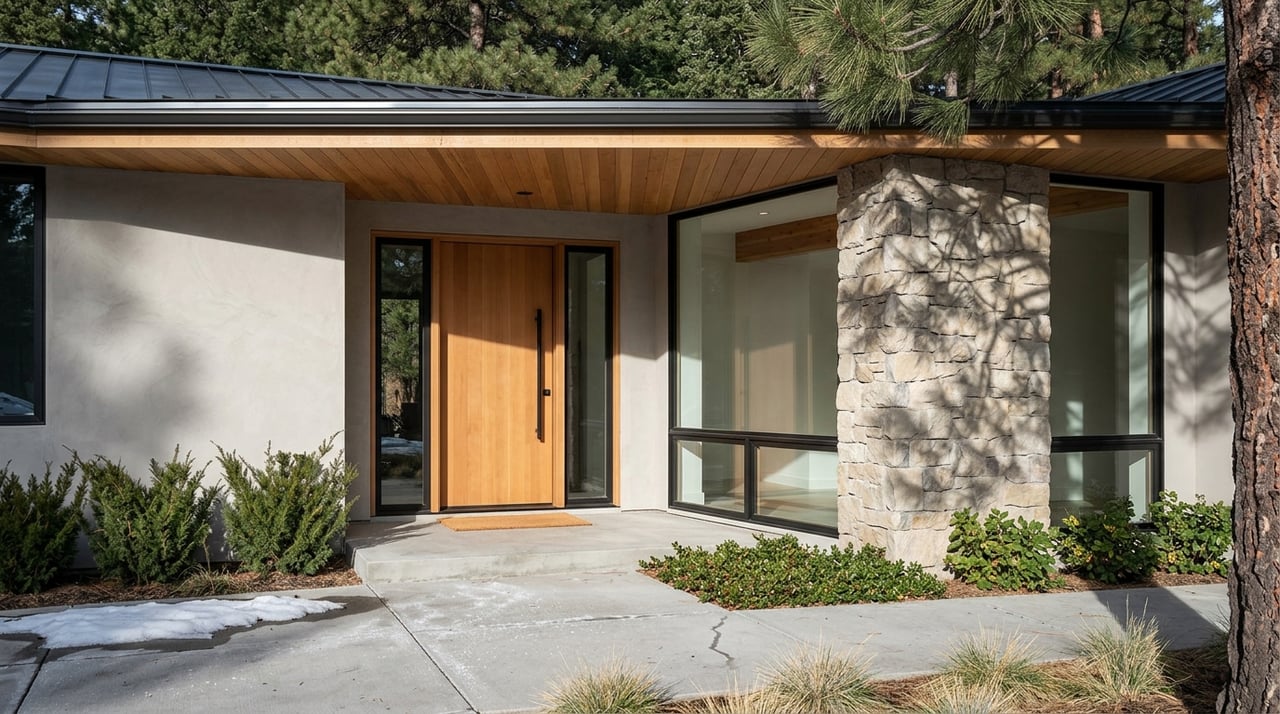
What Daily Life Feels Like In Boulder's Close-In Mountains
If you love the idea of waking up near trailheads but still want Boulder close at hand, the city’s close-in mountains can feel like a sweet spot. You get quick access to open space, a strong sense of place, and a daily rhythm that feels more tied to terrain and weather than a typical in-town block. If you are thinking about buying or selling in this part of Boulder, it helps to know what everyday life really looks like. Let’s dive in.
One of the biggest draws of Boulder’s close-in mountains is how fast the outdoors becomes part of your routine. On this edge of town, trail access is not a weekend bonus. It often feels built into the day.
The Foothills Trailhead is a good example. Just north of town off Highway 36, it is considered a lower-usage trailhead and connects to Foothills Trail, Hogback Ridge, and nearby Open Space and Mountain Parks trails. That gives you a more low-key entry point into the foothills while still staying close to Boulder.
Chautauqua offers a different experience. It is one of Boulder’s busiest trailheads, averaging more than 200 visits per day, and the city notes that it can get very crowded on nice-weather days. Parking can be a challenge, which means your plan for a quick hike may sometimes involve carpooling, walking, biking, or timing your outing carefully.
What makes this area distinct is that it does not feel fully remote. Even though you are living at Boulder’s mountain edge, you are still closely tied to town systems, services, and routines.
Chautauqua Park shows that balance clearly. It sits next to OSMP trails and also has RTD access, so the foothills feel connected rather than isolated. For many buyers, that near-town feeling is a major part of the appeal.
In practical terms, daily life here often means shorter distances with more variables. You may be close to downtown Boulder, shops, and services, but your actual routine can depend heavily on road conditions, parking patterns, and seasonal access.
The close-in mountain edge also carries a distinctive sense of history. Chautauqua is one of Boulder’s local historic districts, and Colorado Chautauqua is designated as a National Historic Landmark.
That historic setting gives the area a character-driven feel that stands apart from newer subdivisions. City materials reference cottages in the district, most of which are historic, which helps explain why some homes near Boulder’s in-town mountain edge can feel older, more established, and more architecturally unique.
If you are drawn to homes with personality, this part of Boulder may feel especially compelling. At the same time, older housing stock can raise more questions about upkeep, updates, and long-term planning, which is where local knowledge and practical construction insight can be especially useful.
In the close-in mountains, getting around is not just about distance. It is also about understanding the kind of road that serves a property and how that road performs over time.
Boulder County’s road map is the official record of road ownership, use, and maintenance. The county notes that some local and secondary roads may have seasonal use and winter access restrictions, while roads labeled as jeep roads are not maintained for passenger cars.
That distinction matters in everyday life. A home that looks close to town on a map may still have a more complicated access pattern than a buyer expects, especially in winter or during shoulder seasons.
In some unincorporated subdivisions, private roads are allowed with county approval. County code states that these roads should be designed to discourage general public use, which can shape both privacy and responsibility. For buyers, that is one reason a close-in mountain home often calls for more detailed property diligence than a standard in-town purchase.
In this part of Boulder, winter is not an occasional disruption. It is part of the normal rhythm of life.
The City of Boulder says the area typically gets 25 to 46 snowfalls per year, and most bring less than 3 inches of accumulation. NOAA’s Boulder climatology shows a 1991 to 2020 mean annual snowfall of 89.71 inches at the NIST site, which gives useful context for how much snow can add up over a season.
The city prioritizes major streets, key pedestrian crossings, multi-use paths, and critical bike routes in its snow-and-ice response. Still, the city also warns that when significant snow is followed by below-freezing temperatures, packed ice can remain even after plowing.
That means your winter routine may include more planning than you would need in flatter, more urban parts of town. A cleared main road does not always mean an easy driveway, especially because plows can leave snow windrows across driveway entrances.
For homeowners, snow management is not just a good habit. It is part of the responsibility of living here.
Boulder requires property owners, landlords, and tenants to clear adjacent sidewalks and roadside paths within 24 hours after snow stops falling. In the close-in mountains, that can become a regular part of winter mornings or evenings.
This is one of those small details that says a lot about the lifestyle. The setting may feel scenic and peaceful, but it often asks for a more hands-on approach to daily upkeep.
A close-in mountain property can come with a very different checklist than a home in a typical Boulder subdivision. Buyers often need to look beyond finishes and floor plans to understand access, utilities, and site conditions.
Boulder County’s land-use code says lots must front on a public right-of-way or an approved private access easement. Development review also considers water systems, sewage collection, drainage, and utility location.
That is part of why mountain-adjacent living can feel more self-managed. The home itself may be beautiful and the setting may be hard to beat, but the property can also involve more moving parts behind the scenes.
From a real estate perspective, this is where practical construction and remodeling knowledge matters. Understanding how site access, utility layout, or older systems may affect cost and usability can help you make a clearer decision.
If a property is in the unincorporated foothills, private well water and septic systems may be part of the equation. These are not unusual features in county mountain living, but they do require extra review.
Boulder County states that private well water is not regulated, treated, or monitored by public health officials. The county also warns that unapproved, aging, and failing septic systems can significantly affect water quality.
For buyers, that makes due diligence especially important. Well testing, septic records, and replacement planning should be part of the conversation before you close, not after.
Living near Boulder’s close-in mountains also means living near the wildland-urban interface. Wildfire readiness is not just a seasonal headline. It is part of how homeowners think about the property over time.
Boulder County says wildfires are unavoidable in the county and supports mitigation through home hardening, defensible space, forest and fuels management, and broader wildfire planning. The county also notes that wildfire mitigation requirements apply to new construction, additions, alterations, and repairs in the western county foothills area, roughly west of Highway 93 and west of Foothills Highway or Highway 36.
There can also be fire restrictions during dry conditions, including seasonal limits on outdoor burning. In practical terms, that means mountain living often comes with more awareness of landscape maintenance, building materials, and seasonal conditions than many in-town neighborhoods require.
The simplest way to describe daily life in Boulder’s close-in mountains is this: near-town, trail-first, and more self-managed. You get quick access to open space and a setting that feels deeply connected to Boulder’s landscape, but you also take on more day-to-day awareness around roads, snow, wildfire readiness, and property systems.
For some buyers, those tradeoffs are exactly what make the area attractive. The lifestyle feels grounded, active, and a little closer to the land, without losing touch with town.
If you are exploring a move to Boulder’s mountain edge, or preparing to sell a home there, local context matters. Property value and daily livability often come down to details that do not show up in listing photos. If you want a calm, informed perspective on homes in Boulder’s close-in mountains, connect with John Canova.

Team up with John to ensure your next Boulder Real Estate Transaction is a Success.