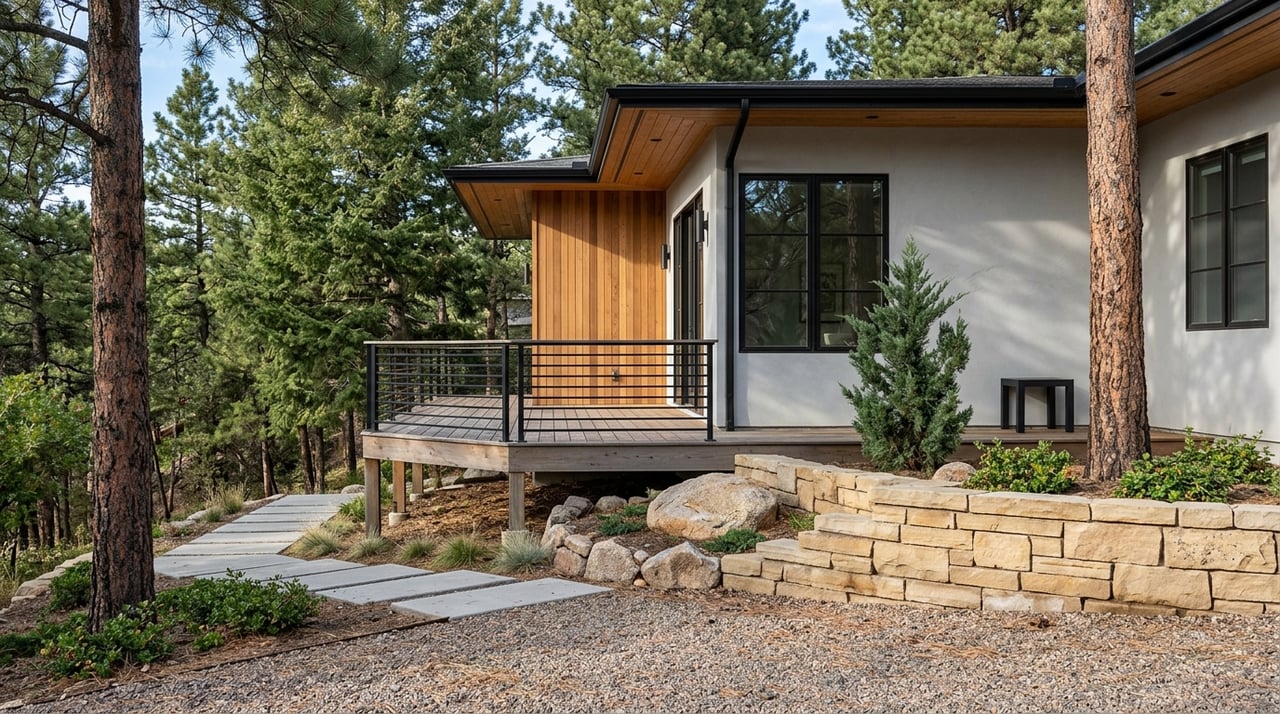
Sunshine Canyon Or Other Close-In Foothills Neighborhoods
Wondering whether Sunshine Canyon gives you the best of both worlds, close access to Boulder with a foothills feel? You are not alone. For many buyers, the appeal is easy to understand: you want trails, views, and breathing room, but you also want a practical day-to-day routine. This guide will help you compare Sunshine Canyon with other close-in foothills areas so you can think clearly about access, infrastructure, and long-term fit. Let’s dive in.
Sunshine Canyon sits on Boulder’s western edge near Mapleton Hill and Knollwood, which gives it a very different feel from more remote mountain locations. It is foothills living, but it is still closely tied to town. That balance is a big part of its appeal.
The area also has direct access to well-used outdoor destinations. The Centennial Trailhead at 301 Sunshine Canyon Road connects you to Mount Sanitas and Red Rocks, and Sunshine Canyon Trail is a 1.10-mile route with 371 feet of elevation gain. The City of Boulder describes that trail as gentle and smooth, including for beginners and out-of-town visitors.
If you are comparing Sunshine Canyon to an in-town Boulder address, the biggest difference is not just scenery. It is how ownership works on a practical level. In Boulder County’s unincorporated foothills communities, county ordinances guide things like roads, permits, wildfire mitigation, and winter maintenance.
That means you need to evaluate more than square footage and finishes. Road conditions, drainage, vegetation, and utility considerations can all shape your experience. For the right buyer, that tradeoff is well worth it, but it helps to go in with clear expectations.
One of the most important foothills questions is simple: what is the road like in every season? Boulder County says its Road Map is the official record of road ownership, use, and maintenance. The county also notes that some local and local-secondary roads may have seasonal use or restricted winter access.
Snow removal follows a clear priority system. High-volume roads and school bus routes are handled first, while lower-volume local-access roads are plowed later after major routes are open. In practice, that can create a different winter rhythm than you may be used to in town.
County materials show that Sunshine Canyon Drive includes both paved and gravel segments. By contrast, Pine Brook Road in Pine Brook Hills is identified as a paved segment. That does not make one area universally better than another, but it does show why road surface and maintenance expectations should be part of your home search from the beginning.
Sunshine Canyon is not defined by a single uniform subdivision pattern. Official sources point to a canyon-edge residential area shaped by topography, trail access, creek corridors, and county wildfire rules. For you as a buyer, that often means more varied lot shapes and a more mixed housing stock.
That kind of variety can be a real advantage if you value character, privacy, or renovation potential. It can also mean you need to look more closely at slope, driveway design, drainage, vegetation, and how the house sits on the land. This is where practical property analysis becomes especially important.
Sunshine Canyon Creek flows east through residential areas before joining Boulder Creek near Eben G. Fine Park. The City of Boulder and Mile High Flood District are re-evaluating flood risk along Sunshine Canyon Creek through an active flood mitigation project. That does not define every property the same way, but it does make drainage and site review important.
If you are considering a home here, it is smart to think beyond the view from the deck. Creek proximity, runoff patterns, grading, and lot layout can all affect long-term ownership. In the foothills, site conditions are part of the property story.
In unincorporated Boulder County, wildfire mitigation is not just a suggestion. County code requires ignition-resistant construction and defensible space, and new West County homes can require an emergency water supply. That means materials, vegetation, setbacks, and maintenance routines can all matter over time.
For many buyers, this is where close-in foothills living becomes more technical than in-town ownership. If you are evaluating a remodel, addition, or new-build opportunity, the property’s wildfire context may affect both design choices and project scope. A home can be beautiful and still require thoughtful planning around these realities.
Pine Brook Hills is often the clearest comparison if you want a close-in foothills setting with more formal neighborhood structure. The community describes itself as an unincorporated mountain neighborhood just west of Boulder with about 400 homes. It also has an HOA, a dedicated water district, an Architectural Review Committee, and a Roads Committee that works with Boulder County Public Works.
That level of organization can be very appealing if you want more visible systems around neighborhood operations. HOA dues support wildfire mitigation, neighborhood enhancements, and community programming. For some buyers, that adds peace of mind. For others, it may feel more structured than they want.
Olde Stage and Red Hill offer another useful point of comparison. The Olde Stage Water District supplies drinking water to homes along Olde Stage Road and Red Hill Road, which suggests a more linear, road-corridor pattern rather than a classic subdivision layout.
If you are drawn to privacy and foothills character, this setup may appeal to you. At the same time, it may suit buyers who are comfortable with a more self-reliant ownership style. This is less about one area being better and more about matching the property context to your lifestyle.
The best close-in foothills neighborhood for you depends on what you want your daily life to feel like. Sunshine Canyon is often the best match for buyers who want the closest-in foothills experience, straightforward access to trails, and a shorter mental leap between town and mountain living.
Pine Brook Hills may fit better if you want a more established mountain neighborhood with stronger community infrastructure. Olde Stage and Red Hill may make more sense if privacy and foothills character matter most to you. Each option comes with a different mix of convenience, structure, and independence.
When buyers picture foothills living, they often start with views and privacy. Those are important, but the long-term enjoyment variables usually go deeper. Winter access, wildfire mitigation, utility resilience, drainage, and neighborhood organization often have more impact on your day-to-day life than people expect.
That is why a close-in foothills purchase deserves careful, property-specific review. A beautiful home on paper can feel very different once you factor in the road approach, the lot shape, and the maintenance realities. The goal is not to avoid these areas. It is to understand them clearly so you can buy with confidence.
If you are touring homes in Sunshine Canyon or nearby foothills neighborhoods, it helps to compare each property through the same lens. Focus on the items that affect both livability and future value.
Consider questions like these:
For buyers who care about architecture, remodeling upside, or long-term usability, these details matter. In the foothills, they are often the difference between a home that simply looks good and one that truly fits how you want to live.
If you are exploring Sunshine Canyon or other close-in foothills neighborhoods above Boulder, the right guidance can make the decision much clearer. John Canova brings local Boulder knowledge and practical construction insight to help you evaluate not just the home, but the full ownership picture.

Team up with John to ensure your next Boulder Real Estate Transaction is a Success.