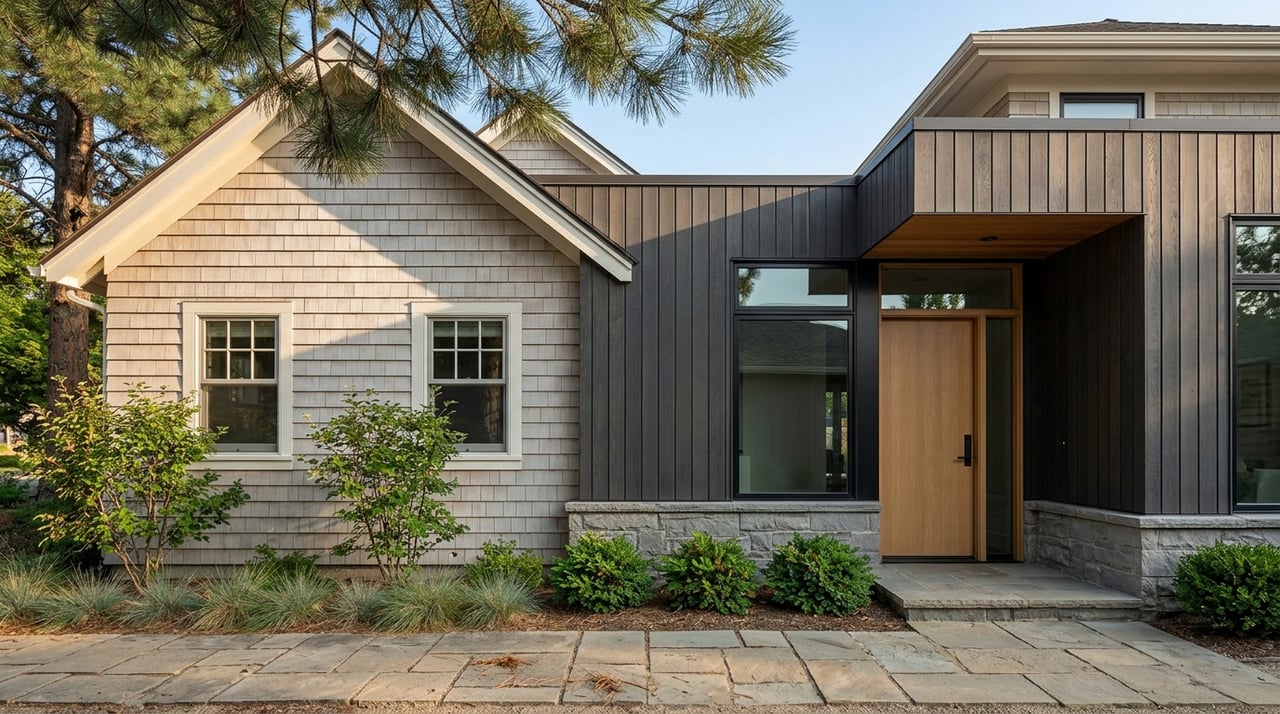
Choosing A Chautauqua Cottage Or A Newer Home
Wondering whether a Chautauqua cottage or a newer home is the better fit for your life in Boulder? It is a smart question, because in Chautauqua, charm and history often come with a different ownership experience than a more recently built home nearby. If you are weighing character, layout, maintenance, and renovation flexibility, this guide will help you think through the tradeoffs with more clarity. Let’s dive in.
Chautauqua Park Historic District dates back to 1898 and sits at the foot of Green Mountain, bordered on three sides by open space. It is listed on the National Register of Historic Places, recognized as a National Historic Landmark, and designated as a local historic district.
That status matters when you are buying. In practical terms, a home in or near Chautauqua is not just about square footage or finishes. It can also involve preservation rules, review requirements, and a very specific historic setting that shapes what ownership looks like over time.
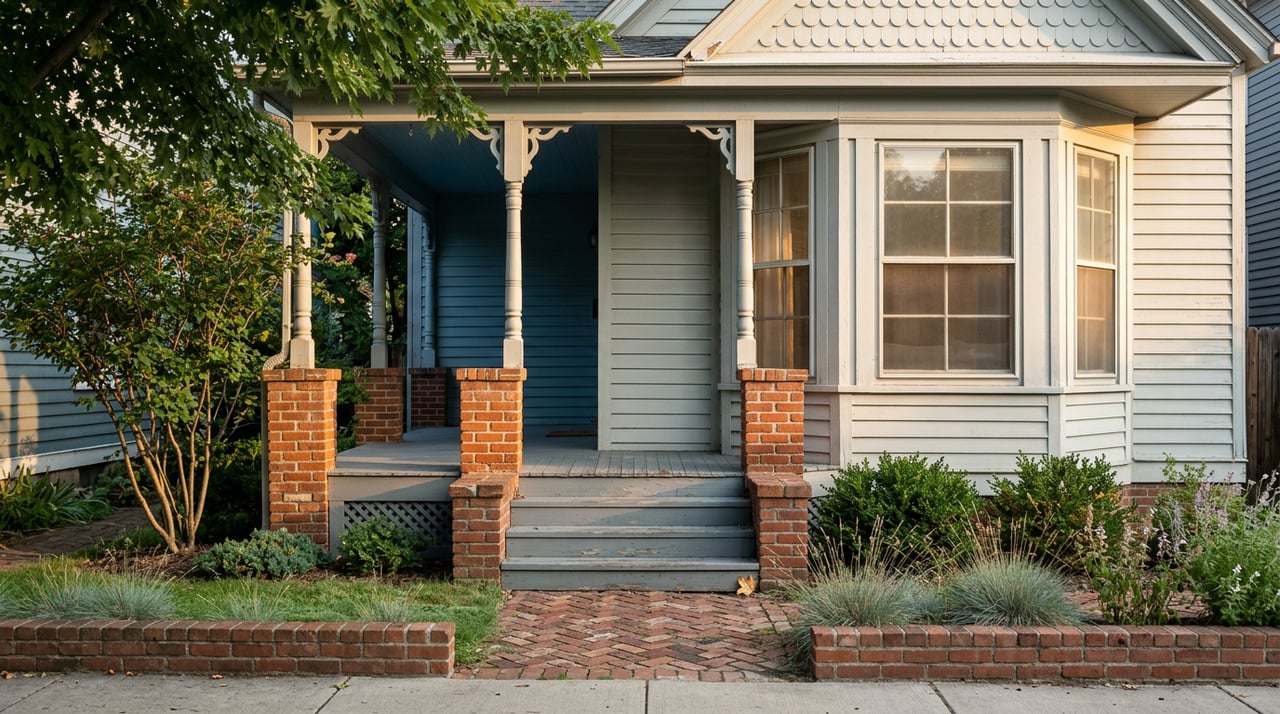
The cottages at Colorado Chautauqua began to be built in 1899, and the last cottage was built in 1954. Many are associated with John Blanchard and the Craftsman style, which helps explain the porches, modest scale, low roofs, and use of natural materials that still define the area’s visual character.
A classic bungalow or Craftsman cottage usually lives smaller than its curb appeal suggests. Historic bungalow plans often center on compact, informal rooms that connect directly to one another rather than through long hallways. You may find a living room, dining room, kitchen, bedrooms, and bath arranged efficiently, but not always with the storage, utility space, or open main-level flow many buyers expect today.
A historic cottage can be a strong fit if you value:
For some buyers, that emotional pull is the whole point. A cottage often offers a lived-in sense of place that is hard to duplicate in a newer property.
That charm can come with compromises. Compared with a newer home, a historic cottage may offer:
If you love the idea of a historic home but want it to function like a new build, it is worth looking closely at where that gap may show up in daily life.
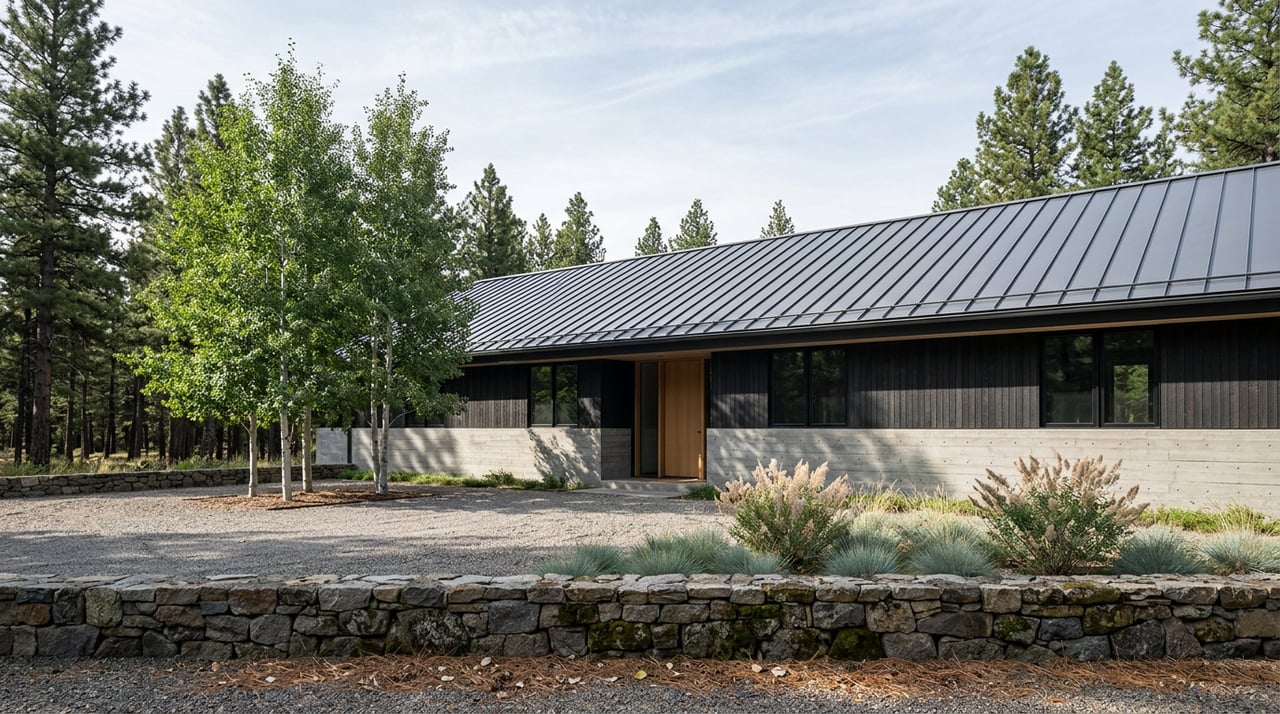
Newer homes tend to reflect a different design logic. Contemporary residential design generally emphasizes open floor plans, flowing interior space, and stronger indoor-outdoor connections through patios, terraces, large windows, or sliding glass doors.
In everyday terms, that often means a newer home feels easier to live in if you want flexible gathering spaces, a more open kitchen area, or a layout that aligns with current entertaining and work-from-home patterns. The experience can feel more adaptable right away, with fewer compromises built into the floor plan.
A newer home near Chautauqua may appeal to you if you want:
Boulder’s Energy Conservation Code sets minimum energy performance standards for new construction and renovations, and the city has a long-term goal of high-performance, net-zero-energy buildings. That does not guarantee every newer home performs the same way, but it does mean a newer property often starts from a more modern efficiency baseline.
Boulder’s climate makes home performance more than a nice bonus. NOAA normals for Boulder show average January highs and lows of 47.0°F and 21.5°F, July highs and lows of 88.0°F and 57.0°F, and annual snowfall of 92.8 inches.
In a place with cold winters, warm summers, and notable snowfall, insulation, windows, doors, and overall building envelope matter. Many older homes have less insulation than homes built today, and adding insulation can reduce energy bills. That is one reason buyers often experience a meaningful comfort and efficiency difference between a historic cottage and a newer home.
One of the biggest misconceptions in this area is that any older home automatically carries the same restrictions. That is not always the case. City guidance notes that age alone does not automatically make a house protected.
What matters is whether the property is designated and whether it sits within the local historic district. If it does, exterior changes require Landmark Alteration Certificate review, and district-specific guidelines apply.
If you are considering a cottage in the historic district, do not assume an exterior update will be simple. Even seemingly straightforward work may need review, especially when it affects character-defining features.
Boulder’s preservation guidance treats windows and doors as important architectural elements and encourages repair rather than replacement when possible. If replacement is needed, the new feature must be compatible with the building’s style and may require approval.
The city also notes that rear elevations can often allow more flexibility than primary facades. That can be helpful if you are thinking about improving livability, but it still underscores the need to understand the review path before you make plans or assign value to future changes.
Historic ownership often works best when you go in with clear eyes. A Chautauqua cottage may reward thoughtful stewardship, but it usually asks more of you in return.
That does not mean upgrades are off the table. It means the best approach is often selective, preservation-sensitive improvement rather than a total reworking of the home’s exterior character.
Before choosing a historic cottage, consider:
If your wish list includes major reconfiguration, larger openings, or a lower-maintenance ownership experience, a newer home may better match your priorities.
The right answer usually comes down to how you want to live, not just what looks best in photos. A cottage and a newer home can both be appealing in Chautauqua, but they solve different problems.
Here is a simple way to frame it:
| If you value... | You may lean toward... |
|---|---|
| Historic character and porch life | A Chautauqua cottage |
| Smaller scale and original details | A Chautauqua cottage |
| Open rooms and flexible living | A newer home |
| Easier updates and fewer exterior constraints | A newer home |
| Stronger efficiency baseline | A newer home |
| A preservation-minded ownership experience | A Chautauqua cottage |
Choose the historic cottage if you want heritage character, a smaller footprint, and a home that feels deeply tied to Chautauqua’s history. It can be a wonderful fit if you are comfortable with careful maintenance and thoughtful, selective upgrades.
Choose the newer home if you want more open space, easier code-aligned updates, and a stronger starting point for comfort and energy performance. If flexibility and lower renovation friction matter most, that path is often simpler.
In Chautauqua, the smartest buyers look beyond style alone. They compare design, function, review requirements, and long-term upkeep together before making a move.
If you are weighing a historic cottage against a newer home in Chautauqua or nearby Boulder neighborhoods, John Canova can help you evaluate the design, renovation, and value tradeoffs with a local, construction-informed lens.

Team up with John to ensure your next Boulder Real Estate Transaction is a Success.