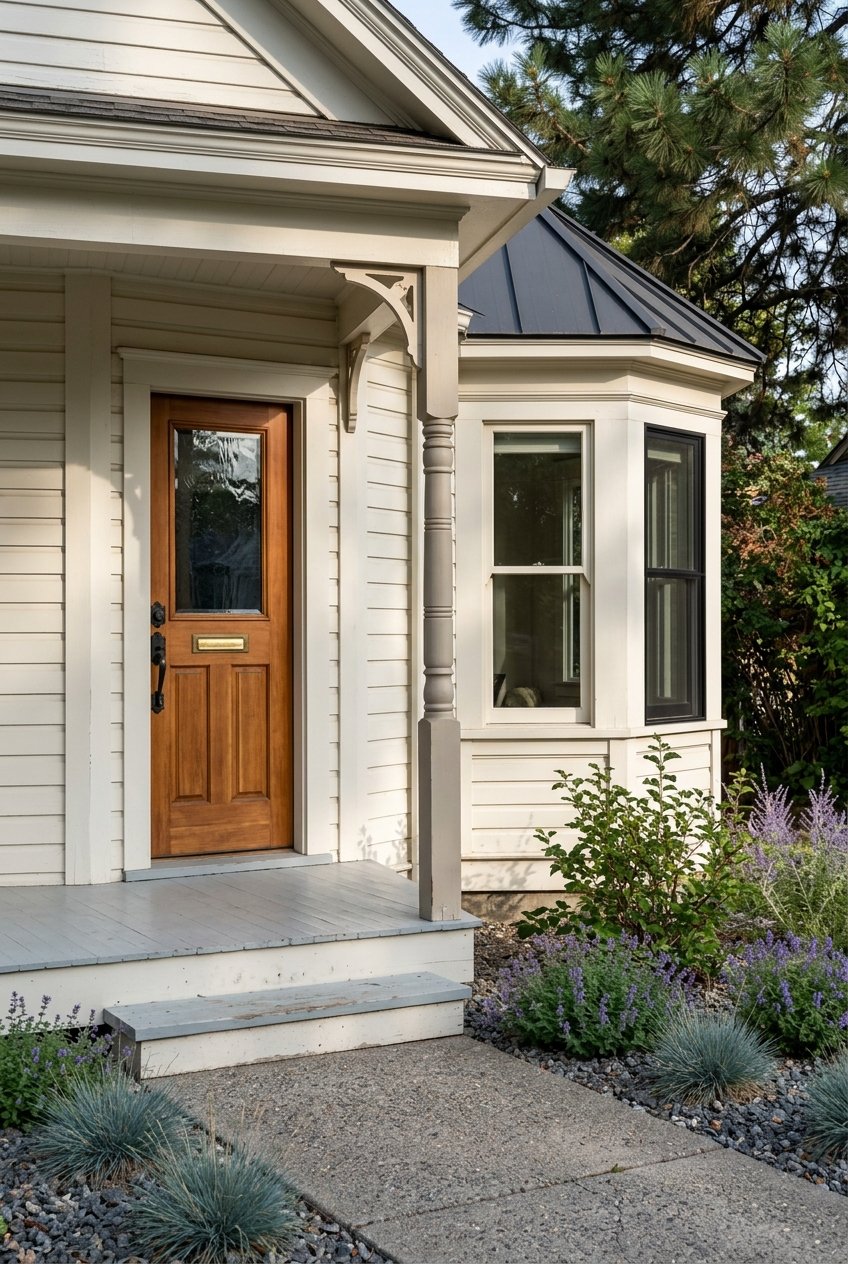
Buying A Whittier Victorian With Renovation In Mind
If you love old houses, a Whittier Victorian can feel like the perfect Boulder find. You get history, detail, and the kind of character that is hard to recreate, but you also need to know what is actually possible before you plan a major remodel. If you are buying a Whittier Victorian with renovation in mind, this guide will help you evaluate charm, constraints, and upside with a clearer eye. Let’s dive in.
Whittier has deep roots in Boulder’s early history. City materials note that the original 1859 town plat included the East Boulder addition now known as Whittier, which helps explain why the neighborhood still attracts buyers looking for older, character-rich homes.
That history matters, but it does not mean every older home has the same rules. Boulder has 10 local historic districts and more than 1,300 designated historic properties, yet the city also makes clear that age alone does not automatically create historic designation. For you as a buyer, that means each address needs to be checked individually before you assume what you can or cannot change.
Before you fall in love with a floor plan idea, confirm whether the property is individually landmarked or located within a historic district. In Boulder, that distinction shapes the approval path for exterior work and can affect how realistic your renovation plans are.
If a property is landmarked or in a historic district, all exterior changes require a Landmark Alteration Certificate. Even if the home is not designated, Boulder still requires historic-preservation review when proposed work meets the city’s demolition definition.
This is one of the biggest early due diligence steps for a Whittier buyer. A neighborhood may feel historic, but the renovation limits depend on the specific property and the specific scope of work.
A strong renovation strategy starts with understanding the home’s character-defining features. For Victorian-era houses, the most important exterior elements often include the roof form, massing, windows, porches, and the overall pattern of openings.
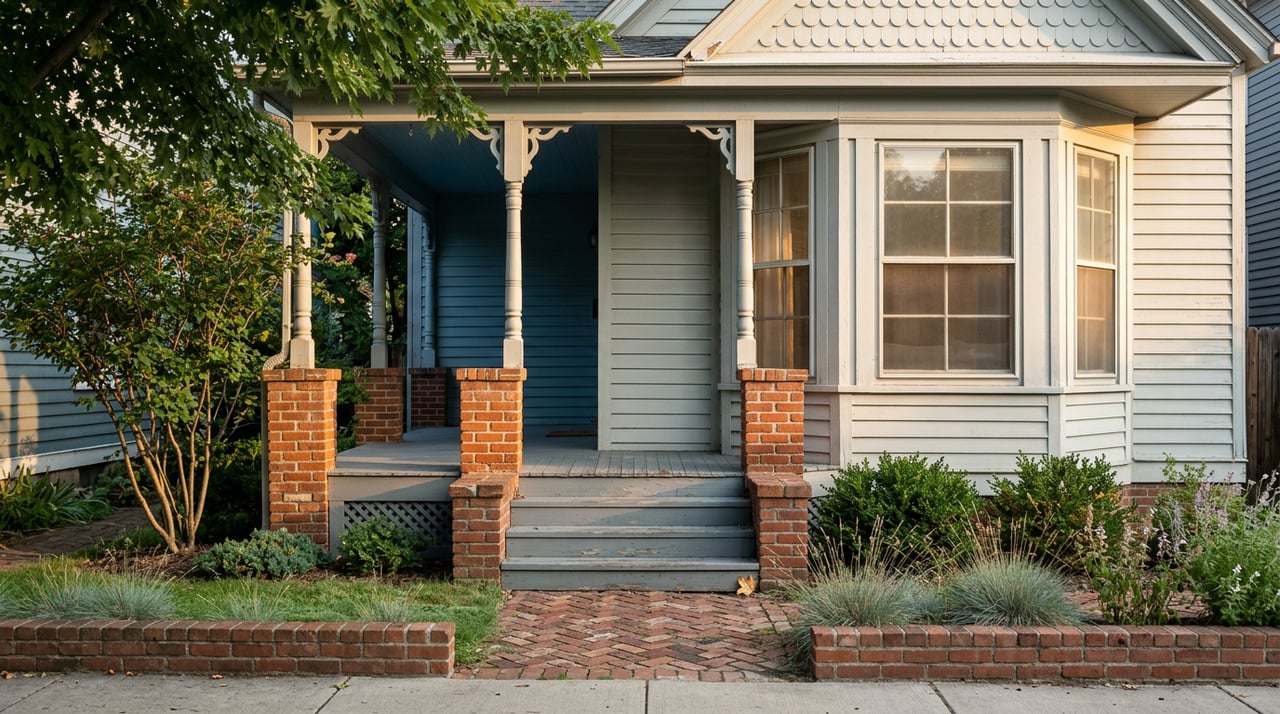
Depending on the style, you may see asymmetrical facades, wrap-around porches, intersecting gables, decorative spindlework, stained or multi-paned windows, or vertical proportions with bracketed eaves and ornate window details. In Boulder’s guidance, roofs, porches, dormers, windows, and doors are especially important elements to evaluate.
For you, the takeaway is simple: the parts of the house that face the street usually matter most. If those features remain intact, the house may offer a better balance between preservation and update potential.
Boulder’s review framework distinguishes between primary, secondary, and tertiary elevations. The primary facade is usually the most visible and most important, while rear elevations often allow more flexibility.
That matters if your wish list includes a larger kitchen, a mudroom addition, or better indoor-outdoor flow. In many cases, a thoughtful rear addition is more realistic than dramatic changes to the front of the house.
Homes with an intact street-facing facade, original window openings, and a less-altered roofline often provide a better starting point. By contrast, enclosed porches, replaced windows, or changes that obscure the front elevation can reduce historic integrity and limit design options.
Many buyers assume review only applies to full tear-downs or major additions. In Boulder, some smaller-looking changes can also trigger review, especially on buildings more than 50 years old.
The city’s demolition-review rules say that removing part of a street-facing wall, enlarging window or door openings, or removing an enclosed porch can trigger review. So if your plan is to open up the front of the home, add bigger windows, or rework the porch, you need to test that idea early.
The more your project affects the front facade, street-facing wall, roofline, or original window pattern, the more scrutiny it is likely to receive. That does not mean the project is impossible, but it does mean you should expect a more careful approval process.
If your renovation goal is more square footage, Boulder’s general design guidance points in a clear direction. Additions should go on an inconspicuous rear elevation, have rooflines lower than and secondary to the original roofline, and generally follow the original roof form, pitch, eave depth, and materials.
In plain terms, the original house should still read as the main structure. The addition should support the historic building rather than overpower it.
That is often good news for buyers who want modern function without losing the home’s street presence. A well-planned rear addition can preserve the Victorian character you are buying while still giving you a more livable layout.
For many Whittier Victorians, the best renovation value comes from interior reconfiguration rather than dramatic exterior transformation. You may be able to improve flow, update systems, and make the house work better for daily life without putting the most sensitive exterior features at risk.
That said, open-plan goals still need to be tested against structure, code, and any applicable historic review. A wall that looks easy to remove may be structural, and structural modifications in Boulder require plans prepared by a Colorado-licensed structural engineer.
This is where practical construction insight matters. A smart buying decision is not just about whether a house is beautiful today, but whether your future layout goals are realistically achievable.
One of the most common mistakes buyers make is budgeting for cosmetics before they budget for the hidden work. With an older Victorian, the real cost picture usually starts before cabinets, tile, or fixtures enter the conversation.
A more realistic framework includes:
That layered budget reflects how Boulder’s permit, structural, and historic-review requirements can add time and cost before finish selections begin. If you are buying with renovation in mind, you want enough room in your numbers for the work you cannot fully see yet.
Most meaningful remodels in Boulder require building permits. A typical residential interior remodel may also require electrical, mechanical, and plumbing permits.
If your project includes structural changes, Boulder requires plans from a Colorado-licensed structural engineer. The city also expects permit work to be completed by a city-licensed contractor unless the homeowner exception applies.
For you, this means renovation planning should start with the right team, not just a Pinterest board. Permit strategy, engineering, and sequencing can shape both your budget and your timeline.
Older homes often come with material risks that affect scope, cost, and contractor selection. The EPA states that renovation work in pre-1978 homes can create hazardous lead dust, and 87% of homes built before 1940 have some lead-based paint.
Boulder’s residential alteration guidance also calls for an asbestos inspection report at certain disturbance thresholds. That means your demolition plan, wall openings, flooring removal, or ceiling work may require more testing and mitigation than you expect.
This is not a reason to avoid an older home. It is a reason to go in with a realistic plan and professionals who know how to manage the process properly.
Windows are one of the best examples of how Boulder balances preservation with performance. The city recommends rehabilitating historic windows and doors over replacement when possible and notes that proper window rehabilitation can perform comparably to new Energy Star-rated windows.
For designated properties, historic window and door replacement requires review. So if your first instinct is to replace every original window, slow down and evaluate what can be restored.
In many Whittier Victorians, original windows are part of what gives the home its visual depth and authenticity. Repair may protect both character and your long-term design outcome.
The right house is only half the equation. The right team helps you understand whether the house fits your renovation goals before you commit.
For a Whittier Victorian, that team often includes:
If you are serious about buying a remodel candidate, bringing in the right voices early can help you separate a smart opportunity from an expensive surprise.
Whittier buyers have access to helpful local history resources that can make due diligence more informed. Boulder’s historic-preservation FAQ says more than 4,000 city resources have been surveyed, and the Carnegie Library recommends searching by address or block for survey forms, historic photos, Sanborn maps, and city directories.
The local history catalog also includes a Whittier neighborhood survey record. For a buyer, these records can help answer useful questions about past alterations, original features, and the broader context of the property.
This kind of research can be especially valuable if you are trying to understand what has already changed and what may be worth restoring, preserving, or reworking.
A Whittier Victorian can be an exceptional purchase if you value architecture, neighborhood history, and renovation upside. The key is to match your vision to the property’s actual historic status, physical condition, and approval path.
In many cases, the best opportunities are homes where the front-facing character is still intact, the rear offers room for change, and the budget leaves space for structure, systems, and permitting. When you approach the purchase with both design appreciation and construction realism, you put yourself in a much stronger position to create something special.
If you are considering a Whittier Victorian and want a practical read on renovation potential before you buy, working with an advisor who understands both Boulder neighborhoods and remodeling realities can make the process far more strategic. To talk through a property, your goals, and the tradeoffs that matter most, connect with John Canova.

Team up with John to ensure your next Boulder Real Estate Transaction is a Success.