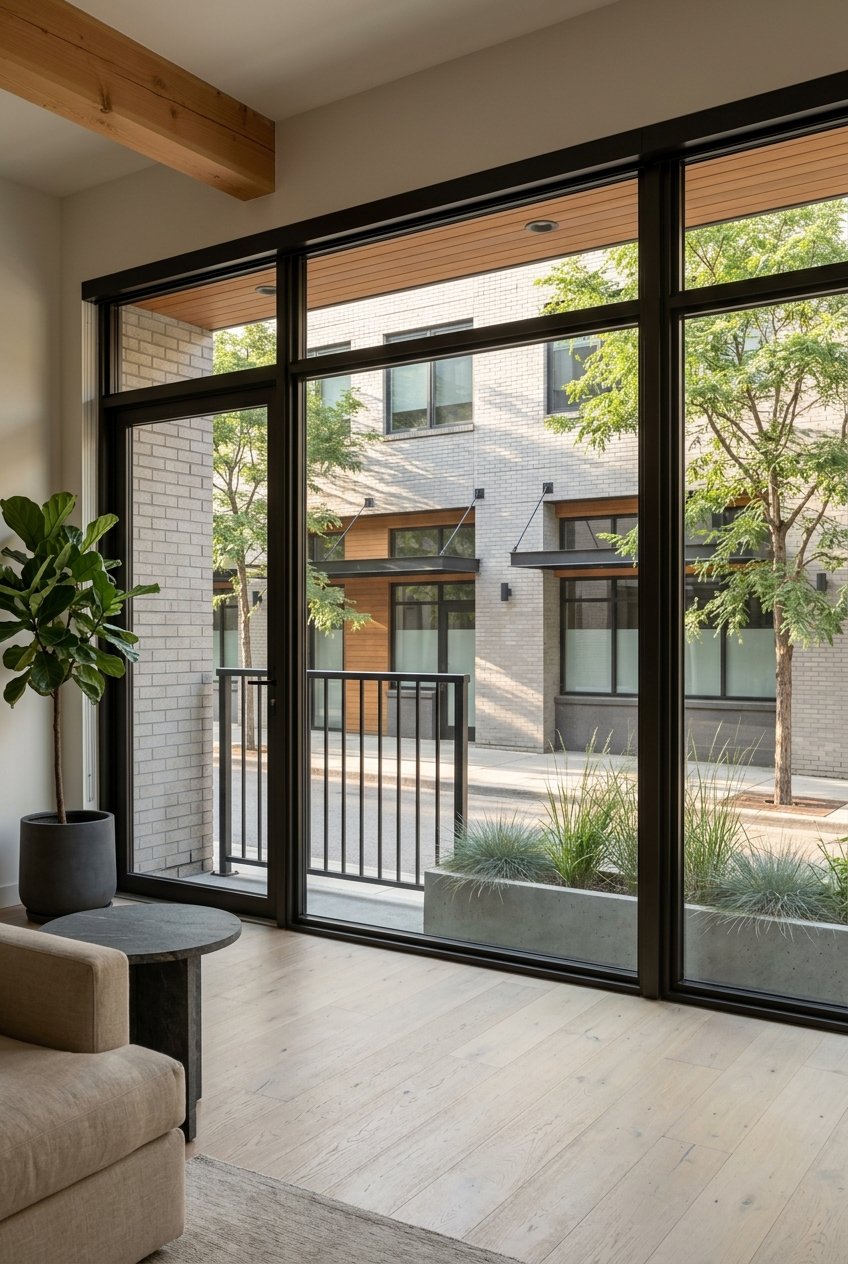
Enjoying Car-Light Living In Downtown Boulder
If you love the idea of living where coffee, dinner, errands, transit, and trail access can all fit into one compact daily routine, Downtown Boulder deserves a close look. For many buyers, the appeal is not going fully car-free. It is having the option to use your car less often and enjoy a more flexible, walkable lifestyle. In this guide, you’ll get a practical look at what car-light living in Downtown Boulder really means, who it tends to suit, and what tradeoffs to expect. Let’s dive in.
Car-light living in Downtown Boulder starts with the way the district is built. This is not a typical commercial strip where everything revolves around parking lots and long drives between stops. The downtown area includes Pearl Street Mall, the East End, the West End, and surrounding blocks, creating a pedestrian-first core with a distinctly urban feel.
A big part of that identity comes from Pearl Street Mall. The city notes that the four-block outdoor mall has been closed to cars since 1977, which helps explain why downtown feels so comfortable on foot. Instead of moving from one parking space to the next, you can often move from one daily need to another within a short walk.
That matters because downtown is more than a shopping area. The district combines restaurants, services, lodging, entertainment, and retail in one compact center. Downtown Boulder Partnership also reports more than 800 businesses, nearly 7,000 employees, and nearly 40,000 residents within walking distance of downtown boutiques, cafés, and galleries.
Walkability is not just about having sidewalks. It is about having enough destinations close together that walking becomes useful, not just pleasant. In Downtown Boulder, that mix of uses makes it easier to combine errands, meals, meetings, and recreation into a shorter daily loop.
The city also supports a low-stress walk-and-bike network designed to improve connections between neighborhoods, daily destinations, and transit. If you want a routine where you can step out your front door and cover much of your day without getting in a car, downtown is one of Boulder’s clearest examples.
The district also benefits from Boulder Creek Path, a scenic, mostly flat 5.5-mile multi-use path that runs through the heart of the city. It connects downtown-adjacent landmarks like the Main Library, Central Park and Civic Area, and the Boulder Dushanbe Teahouse. That gives downtown an unusual balance of urban convenience and outdoor access.
One reason Downtown Boulder stands out for car-light living is transit access. Downtown Boulder Station serves as a major anchor near 14th Street and Walnut, with 16 bus routes according to RTD. That includes both local and regional service patterns, giving you more options than you might expect in a small-city downtown.
For many residents, that means you can think beyond simple in-town trips. Routes such as FF1, FF2, FF5, BOLT, DASH, SKIP, and JUMP help connect downtown to other parts of Boulder and the broader region. If you are relocating and want to reduce daily driving without giving up mobility, this is a meaningful part of downtown’s appeal.
There is an important nuance, though. RTD states that Downtown Boulder Station has no RTD parking. In practical terms, that reinforces the idea that this area works best when you live nearby and access transit on foot, by bike, or through another short connection.
Boulder’s bike network is one of the strongest reasons a car-light routine can work here. The city reports more than 300 miles of bikeway, including 96 miles of bike lanes, 84 miles of multi-use paths, and 50 miles of designated bike routes. It also highlights Neighborhood GreenStreets that prioritize bicycle and pedestrian travel.
That network supports more than weekend recreation. The city explicitly frames cycling as practical transportation, which matters if you want to replace short car trips with something faster and more enjoyable. For many downtown residents, a bike can handle quick errands, meet-ups, and connections to other parts of the city.
Micromobility adds another layer. Boulder provides shared e-bikes and e-scooters, which can help bridge the last half-mile between home, transit, and your destination. If you are comfortable mixing walking, biking, and transit, downtown becomes easier to navigate without relying on a car every day.
There are also downtown-specific details worth knowing. The city says free, secure bike parking is available inside three downtown garages. At the same time, biking and riding other wheeled devices on sidewalks is prohibited downtown on and around Pearl Street Mall except in dismount zones, which reflects the area’s strong pedestrian focus.
A big reason Downtown Boulder appeals to lifestyle-driven buyers is that urban convenience does not come at the expense of outdoor access. Boulder Open Space and Mountain Parks reports 162 miles of trails, 37 trailheads, and 76 access points across the system. That broader network helps downtown feel like an urban basecamp rather than a purely city-centered setting.
The Boulder Creek Path is especially valuable because it runs right through the center of town. You can use it for exercise, commuting, or simply getting outside without planning a full outing. For buyers who want a daily rhythm that blends movement, nature, and convenience, that access can be a major quality-of-life advantage.
If you are considering Downtown Boulder, it helps to understand the housing context. In general, downtown living here is more often associated with attached and mixed-use housing rather than large detached homes. City guidance for downtown zoning districts and building types supports that pattern, with attached residential dwellings and mixed-use buildings playing a central role.
In plain terms, you are more likely to encounter condos, apartments, loft-style homes, and residences integrated into mixed-use settings. That housing profile often aligns well with buyers who want a lower-maintenance lifestyle and a location that supports shorter daily trips.
The historic setting also shapes the experience. The Downtown Historic District includes some of the city’s most architecturally significant commercial buildings, including the Boulder County Courthouse, Boulder Theater, and Hotel Boulderado. For design-minded buyers, that backdrop adds character and visual texture that can make downtown feel more established and memorable.
Downtown Boulder tends to fit people who value convenience, proximity, and a more flexible daily rhythm. If you like the idea of walking to dinner, biking to a meeting, taking transit across town, or heading to the creek path without much planning, this area offers a strong match.
It can be especially appealing if you prefer low-maintenance housing over a large lot or a garage-centered lifestyle. Many relocators, professionals, and downsizers are drawn to that tradeoff. The appeal is often less about giving up a car entirely and more about not needing it for every routine errand.
This is also a useful lens if you are comparing downtown with other Boulder locations. Some buyers want a quieter residential setting with more private outdoor space. Others want an address where daily life feels more immediate, connected, and walkable. Downtown is strongest for the second group.
Downtown Boulder supports car-light living, but it is not fully car-free. The city states that the area still includes five parking garages, three city parking lots, and on-street pay parking. That means driving still plays a role for some trips, visitors, and day-to-day logistics.
This is important if you are trying to set realistic expectations. If you need to drive frequently for work, store bulky gear often, or want the ease of suburban-style parking, downtown may feel less seamless. If you are comfortable parking occasionally and using your car more selectively, the area is likely to feel much more natural.
It is also worth remembering that public space downtown is still evolving. The city is actively investing in places and systems such as the Civic Area, Pearl Street Mall, Downtown Boulder Station, curbside management, Social Streets, and the Downtown Core Arterial Network. That ongoing work supports the long-term quality of the downtown experience, but it also means this is a district that continues to change and improve.
If you are thinking seriously about Downtown Boulder, start by looking at your real weekly habits. How many trips could you realistically do on foot or by bike? How often would you use transit? How important is it to live near restaurants, services, and public spaces versus having more private square footage or storage?
It also helps to think about housing through a practical lens. A well-located condo or loft can offer real lifestyle value if it cuts down on driving and puts more of Boulder within easy reach. If you are choosing between character, convenience, maintenance level, and parking needs, a clear understanding of your routine will point you in the right direction.
That kind of analysis is where local insight matters. In a place like downtown, two properties that seem similar on paper can live very differently depending on block location, building style, access to transit, bike storage, and overall flow.
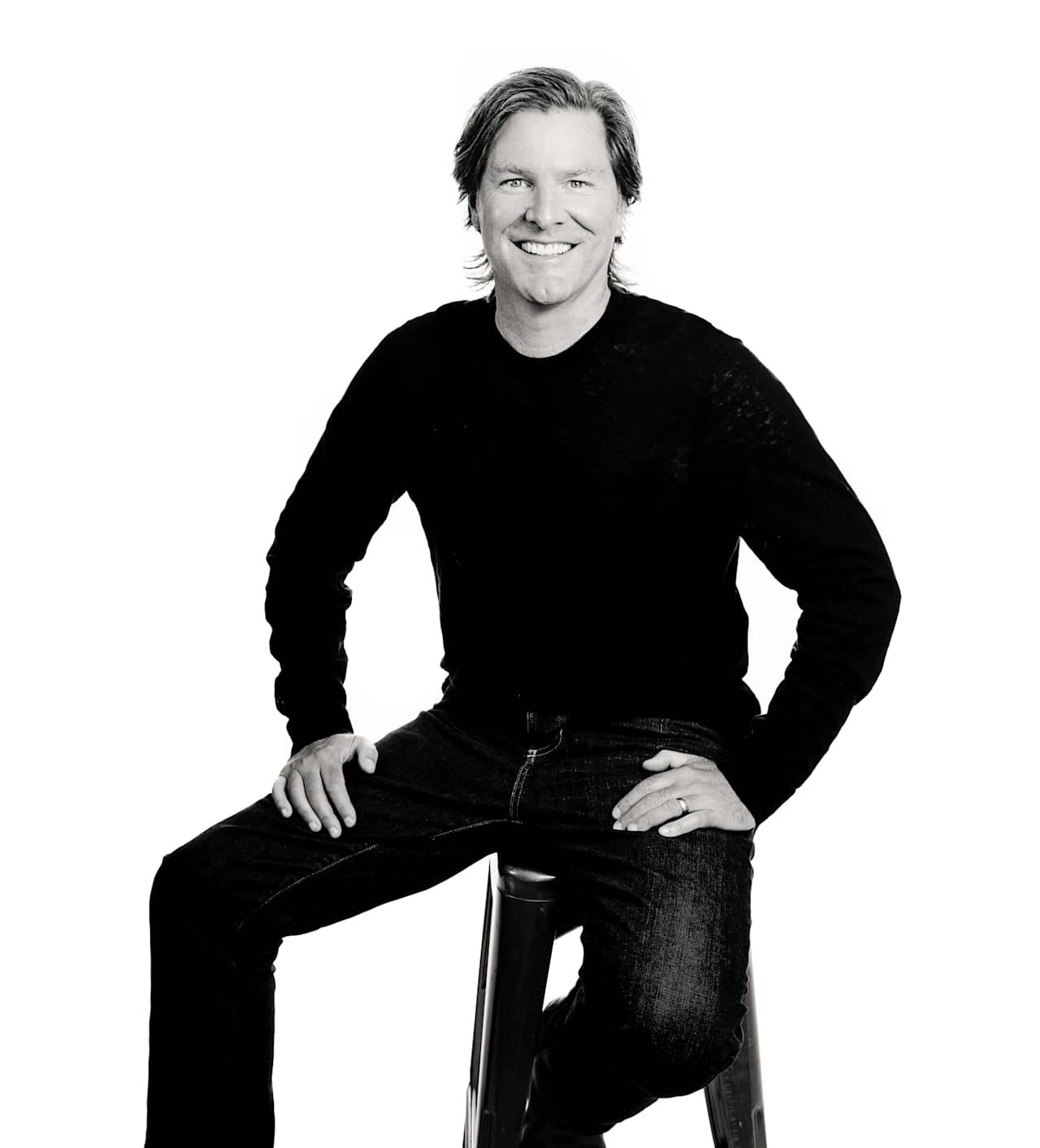
If you want help evaluating whether Downtown Boulder fits your lifestyle, or you want to compare downtown options with other Boulder neighborhoods, John Canova offers thoughtful, local guidance grounded in design awareness and practical real estate insight.
Team up with John to ensure your next Boulder Real Estate Transaction is a Success.