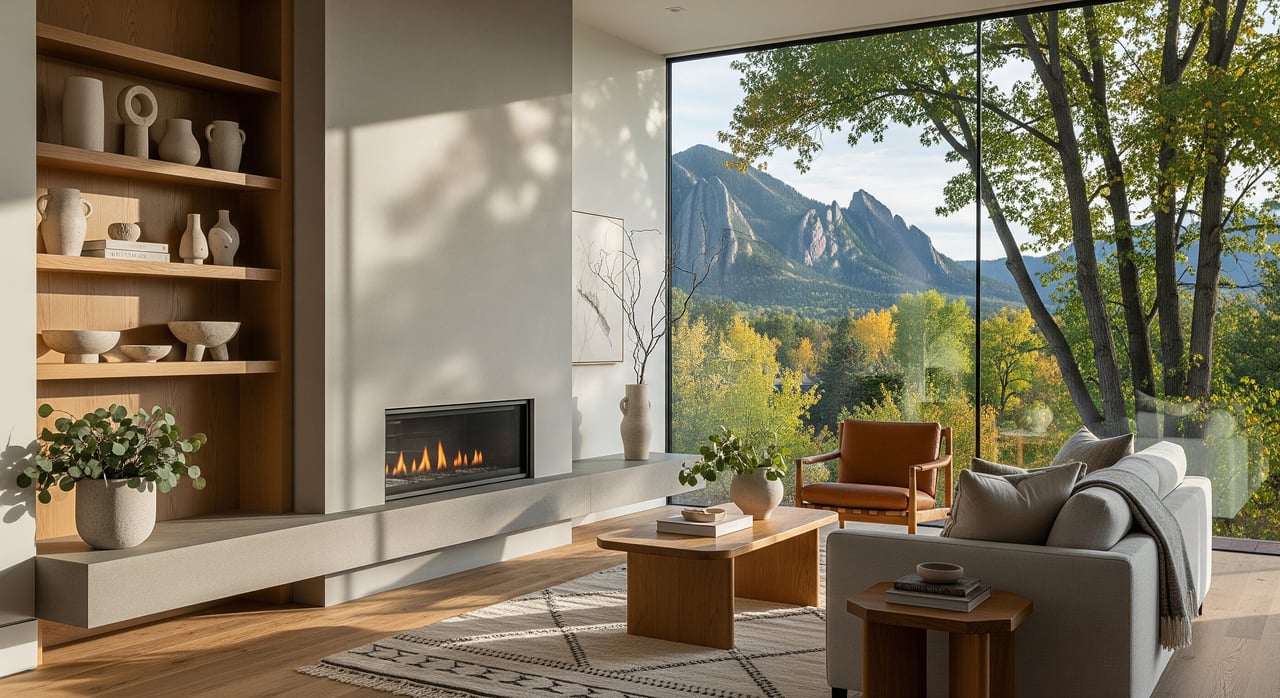
Luxury Home Design Trends In Boulder
Are you drawn to Mapleton Hill’s grand porches and leafy streets but still want the ease of a modern, wellness‑focused home? You are not alone. Today’s luxury buyers in Boulder want historic charm paired with smart, sustainable comfort. In this guide, you will learn what design choices resonate most in Mapleton Hill, how to work within the historic district rules, and where to invest for the strongest resale. Let’s dive in.
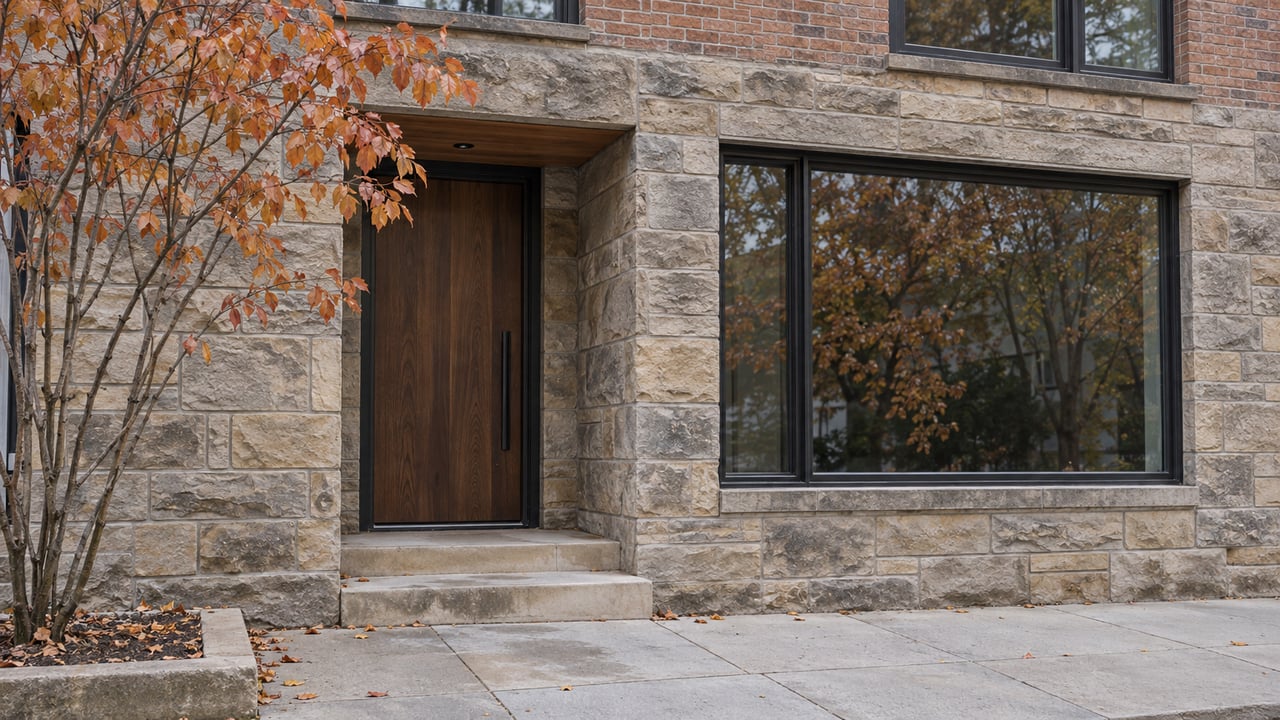
Mapleton Hill is one of Boulder’s most intact historic neighborhoods. That status shapes design. Exterior changes, demolitions, and new construction typically go through local historic preservation review, which guides façades, rooflines, porches, and streetscape rhythm. You can still modernize, but it is most successful when updates are sensitive to the original character.
Lots are urban in scale with mature trees, established front yards, and alley access. Space constraints encourage interior reworks and carefully planned outdoor areas rather than sprawling additions. The sweet spot is a home that keeps its curb appeal while delivering an open, well‑lit interior and private outdoor rooms.
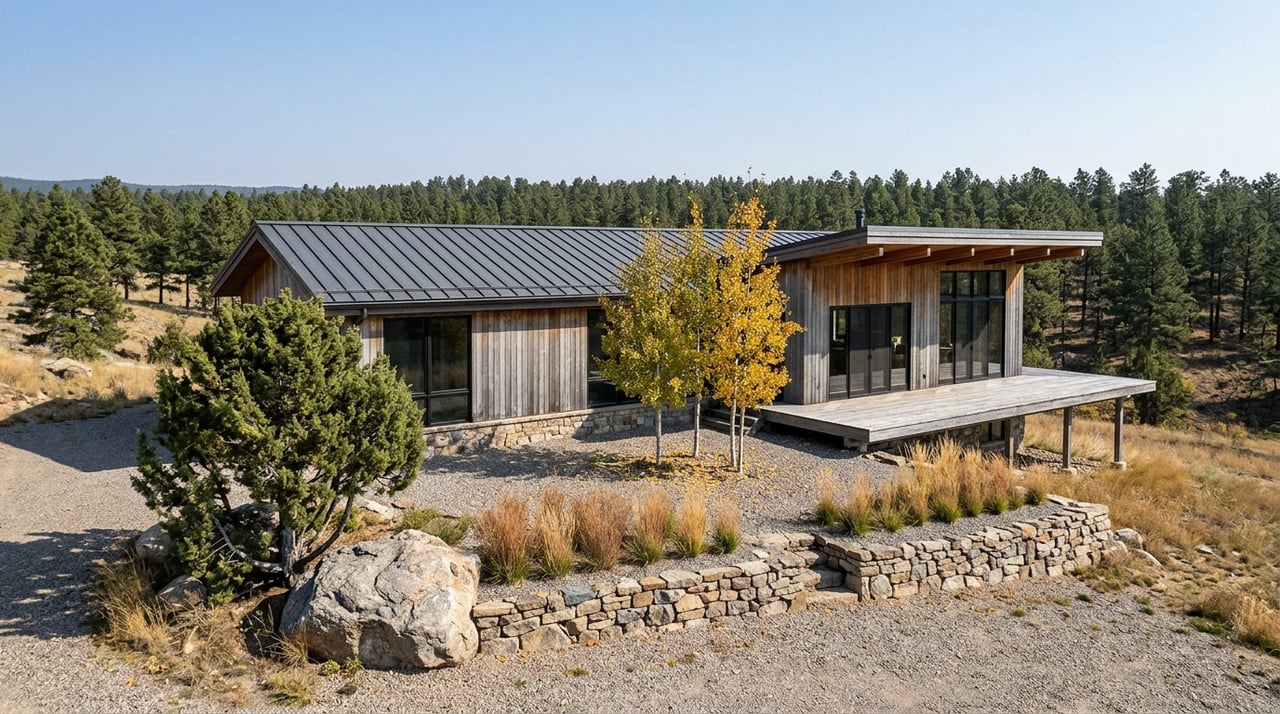
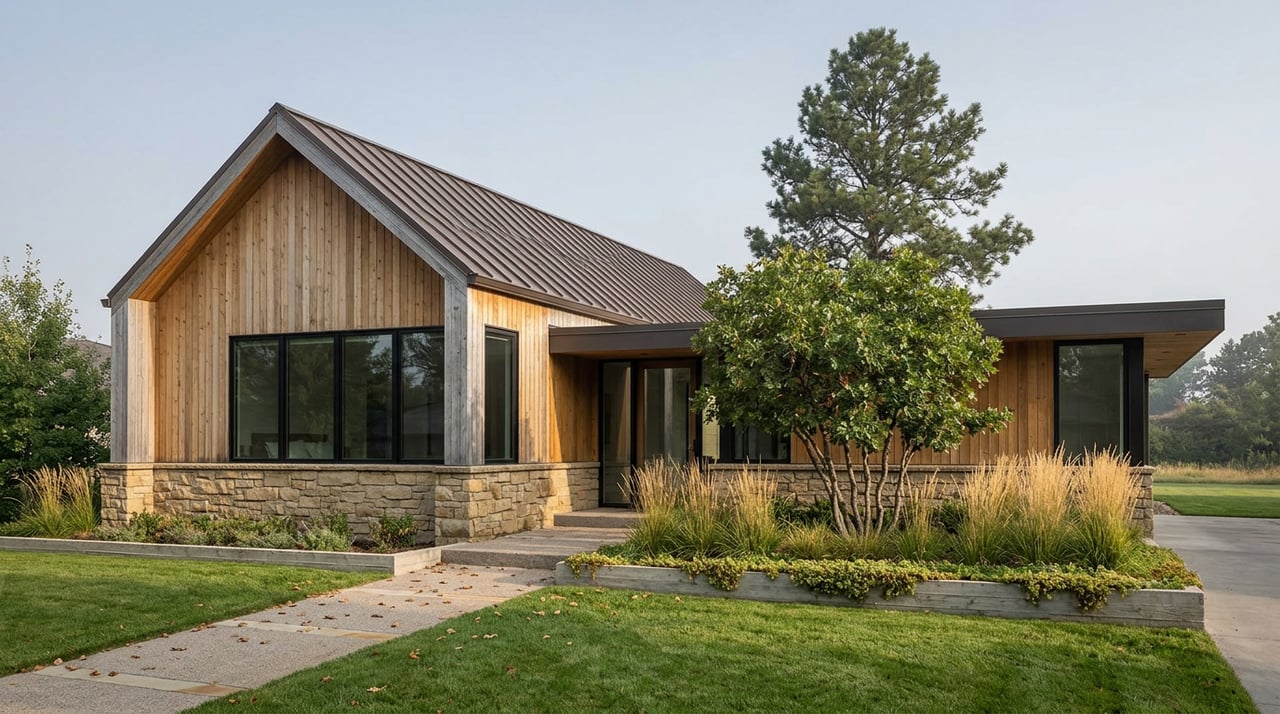
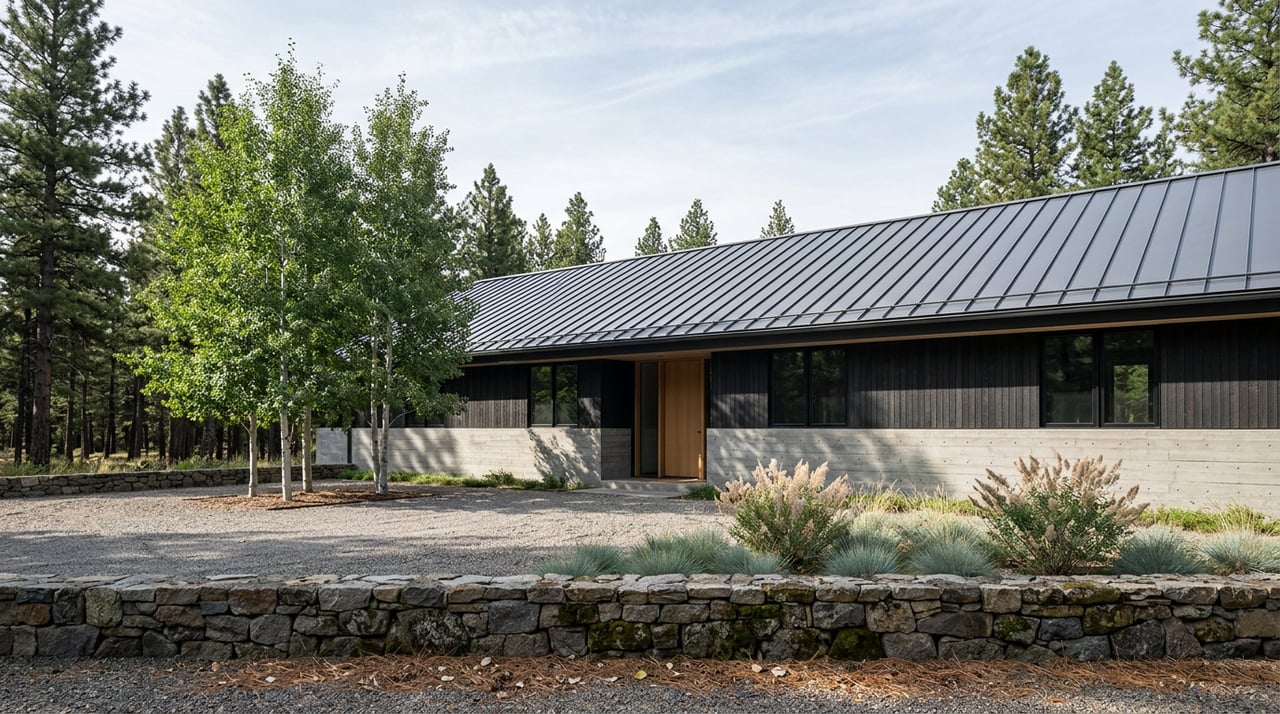
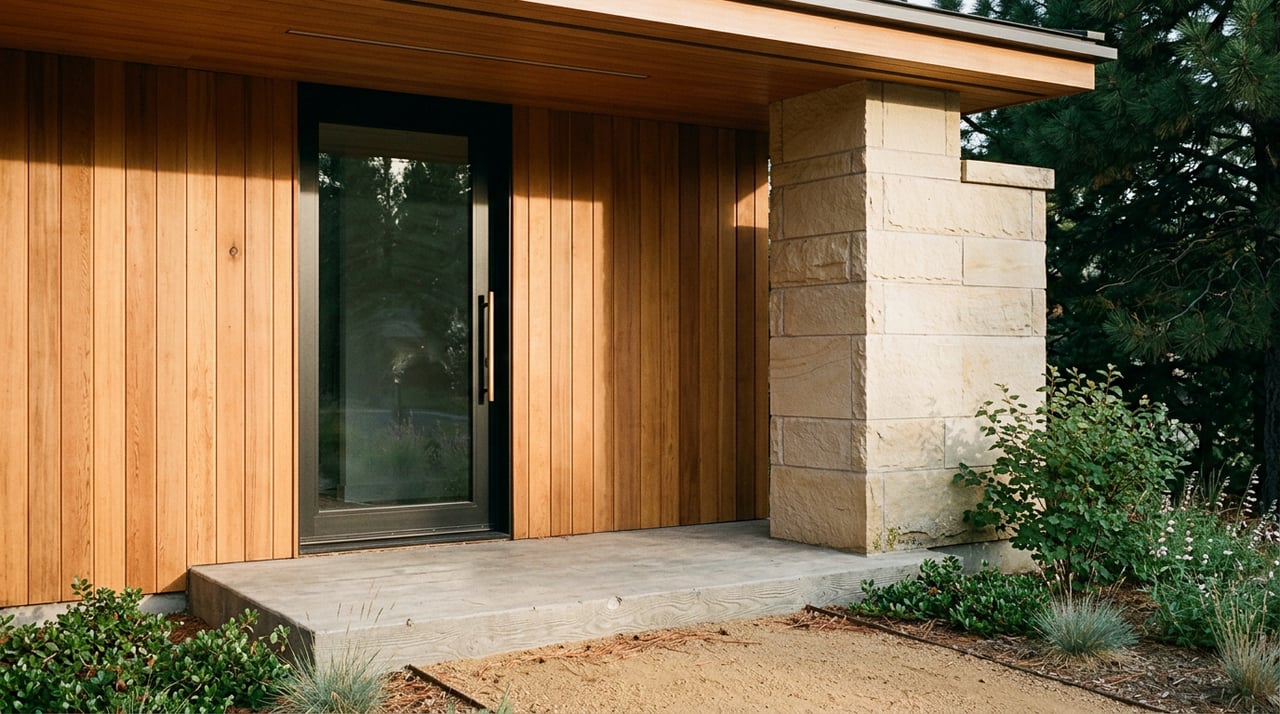
High‑end Boulder buyers respond to two main approaches. First, a sensitive historic modernization that preserves street‑facing details and reimagines interiors for open living with upgraded systems. Second, mountain‑modern elements where allowed, which means simple lines, natural materials, and glazing that brings the outdoors in.
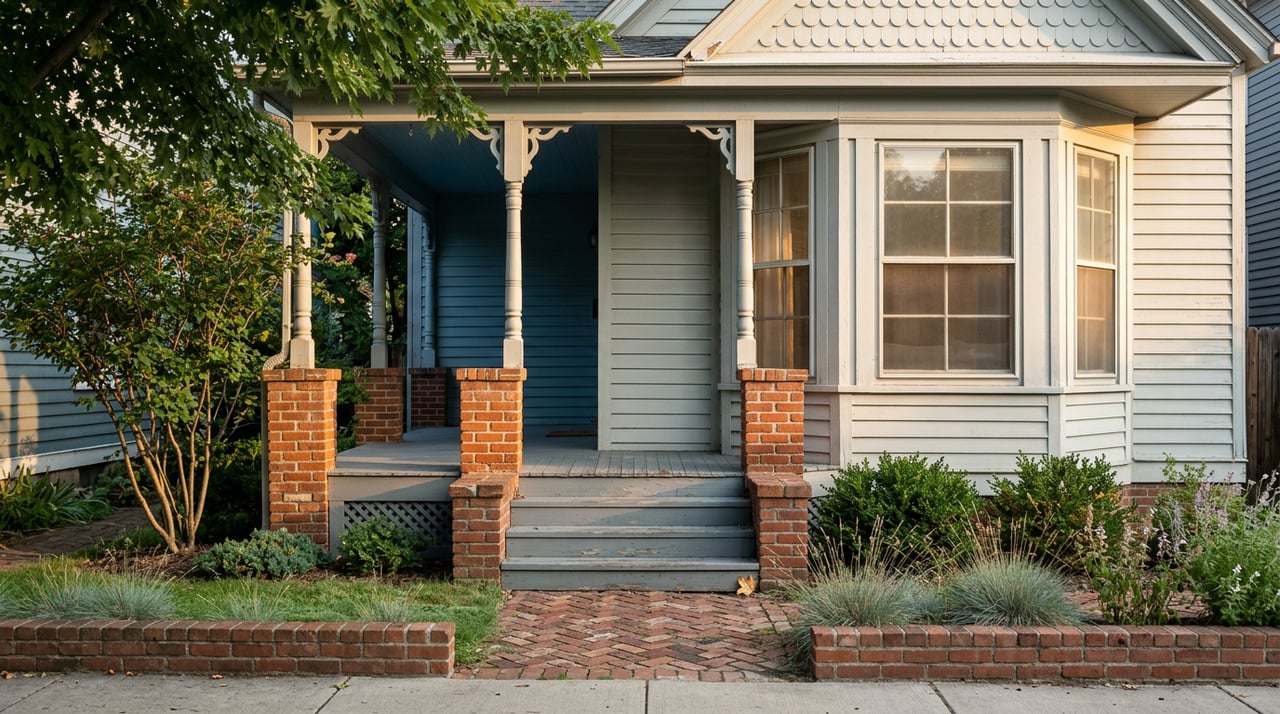
For existing bungalows and Victorians, scaled additions that echo original proportions perform well. The goal is authenticity plus comfort. Buyers prize projects that feel true to Mapleton Hill, not generic remodels.
Luxury design here leans into tactile, durable materials. Think warm, wide‑plank wood floors, honed stone countertops, and textured plaster or lime wash. These finishes feel grounded and timeless next to the neighborhood’s mature canopy.
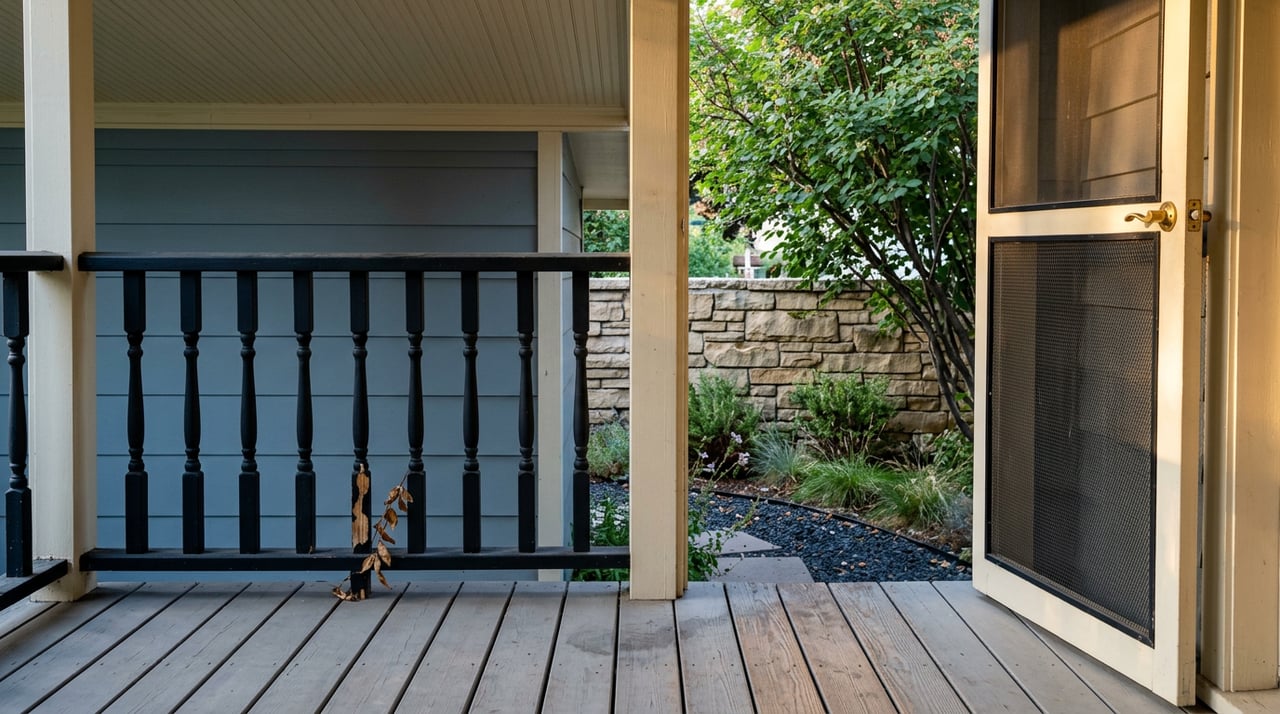
Color palettes trend toward earthy neutrals, warm grays, and soft greens. Matte black or dark bronze accents on windows, railings, and fixtures offer subtle contrast. Many buyers notice provenance, so reclaimed wood, low‑VOC paints, and certified sustainable finishes add appeal.
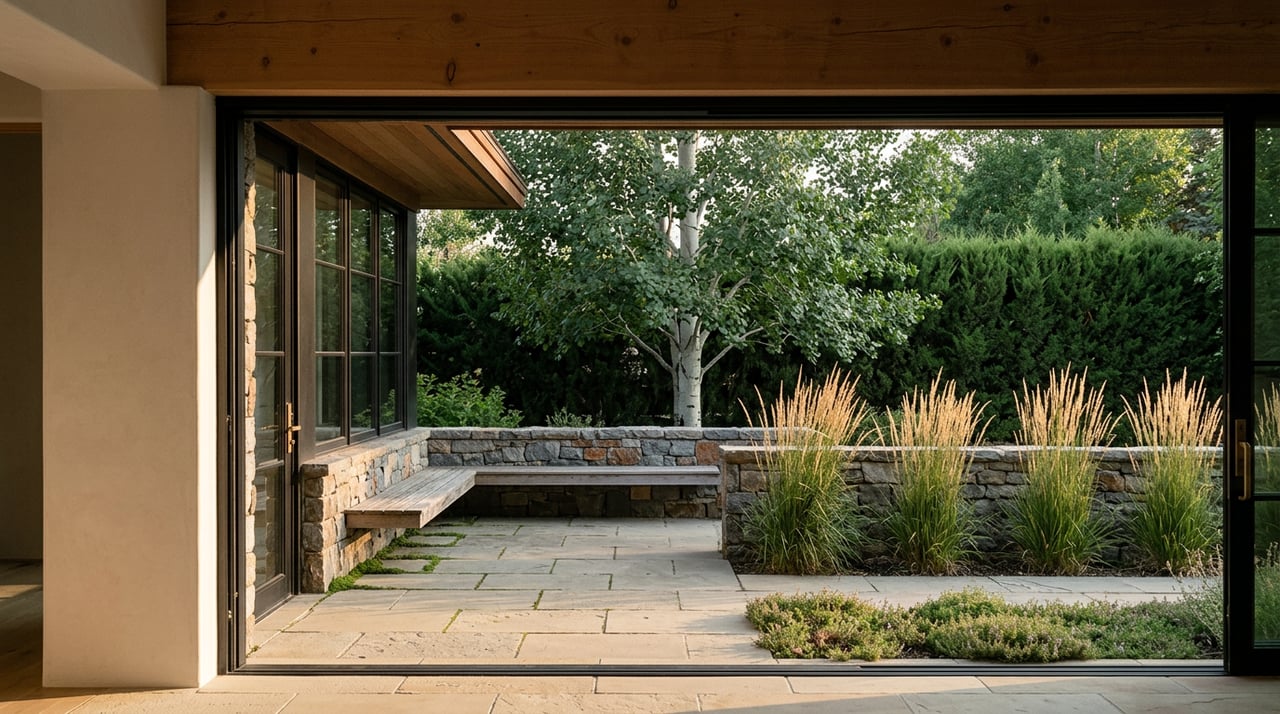
You can create a strong connection to the outdoors even on a smaller Mapleton Hill lot. Large folding or sliding doors from living spaces to a rear patio make daily life feel bigger and brighter. Layered outdoor rooms, such as covered dining, a small court, or a roof terrace set back from the street, extend usable space without fighting setbacks.
Year‑round features matter. Covered zones, heaters, and fireplaces or fire pits extend the season. Native, low‑water plantings and permeable paving support function and resilience while reducing maintenance.
Wellness spaces have moved from nice‑to‑have to expected in the luxury tier. Dedicated yoga or movement rooms, compact home gyms, and saunas or steam rooms get attention. These can be carved into lower levels or secondary spaces if designed with light, ventilation, and acoustic comfort in mind.
Daylight is a premium inside historic homes. Enlarging rear glazing, adding skylights, and using interior glass or transoms can brighten the core without altering the front façade. High‑efficiency filtration, balanced ventilation, and low‑VOC materials support air quality and comfort.
Electrification and efficiency upgrades are key value drivers. Heat pumps, improved insulation, high‑performance windows, and smart controls lower operating costs while improving comfort. Solar and battery storage appeal to Boulder’s sustainability mindset, especially when placed to limit street visibility.
Resilience adds confidence. Water‑wise landscaping, thoughtful site drainage, and wildfire‑aware materials and plant spacing where relevant can be integrated without disrupting historic character.
Buyers want plans that adapt to work and life. Private office suites, flex rooms that convert from guest space to study, and built‑in AV with robust data wiring make homes future‑ready. Smart systems for HVAC, lighting, security, and shading should be integrated cleanly so technology serves the design rather than competing with it.
The most market‑effective formula keeps the historic face and modernizes where you live most. Preserve the front elevation, then invest in interior reconfiguration that opens the main level, expands the kitchen, and creates a calm, airy primary suite. Pair that with a private rear patio or a discreet roof deck to add lifestyle square footage.
Place solar and mechanical upgrades to minimize visual impact from the street. Use historically sympathetic window profiles where replacements are allowed. The result reads as true Mapleton Hill from the sidewalk and as thoroughly modern inside.
The strongest returns tend to come from high‑quality kitchens and primary baths, better windows and insulation, and well‑designed outdoor living. Wellness rooms and flexible offices are strong secondary draws that broaden your buyer pool. Bespoke finishes can be beautiful, but extreme or niche choices can narrow interest.
Historic constraints are not a downside for most buyers. They protect the neighborhood’s character, which is a core part of the premium. Projects that work within those rules to deliver modern comfort usually sell faster and higher.
If you are weighing a sale, prioritize updates that make the home feel turnkey without erasing its character. If you are buying with renovation in mind, target properties where the façade is strong and the plan can open up. Either path benefits from a clear roadmap, cost‑value insight, and a local crew that understands Mapleton Hill.
Ready to align your design plan with market demand in Mapleton Hill? Let’s talk strategy, scope, and timing that fit your goals. Connect with John Canova to map the smartest next step.

Team up with John to ensure your next Boulder Real Estate Transaction is a Success.