Thinking about selling your Mapleton Hill home, but not sure how to position a historic property for today’s luxury buyer? You are not alone. These homes demand a thoughtful approach that protects character, showcases craftsmanship, and proves long-term value. In this guide, you will learn a proven, preservation-savvy strategy that blends design-forward staging, narrative-driven media, and targeted exposure to reach the right buyers at the right price. Let’s dive in.
Why Mapleton Hill stands out
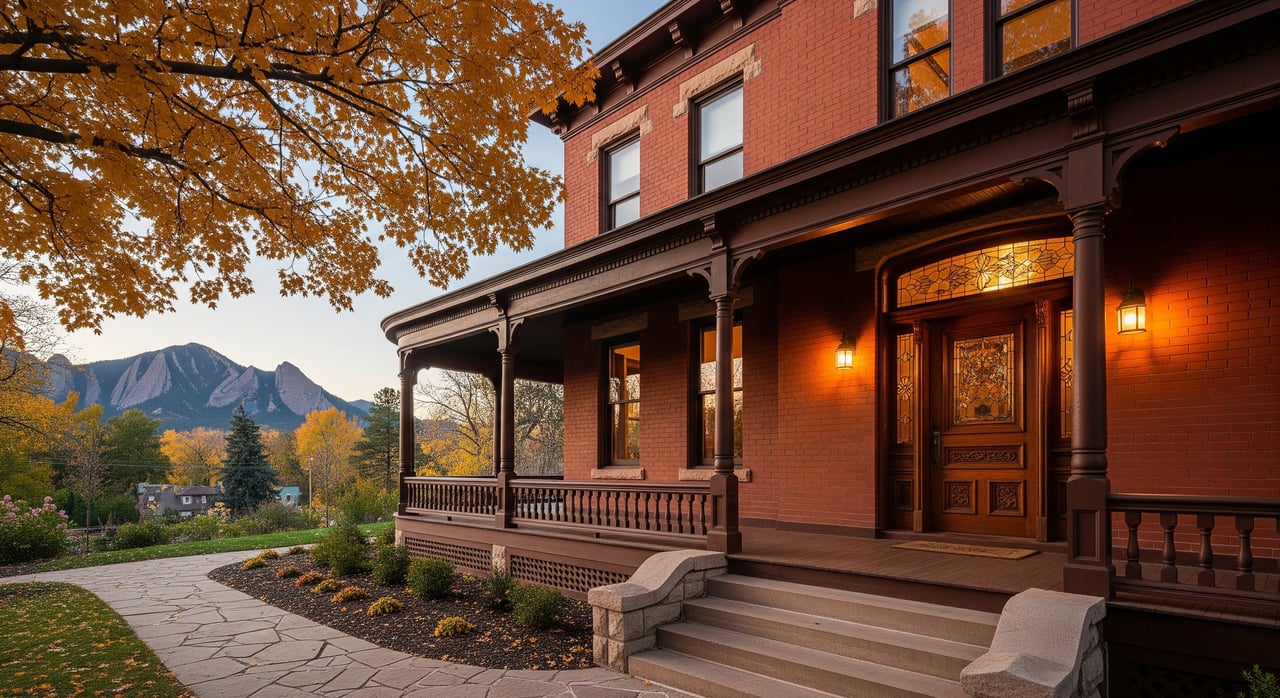
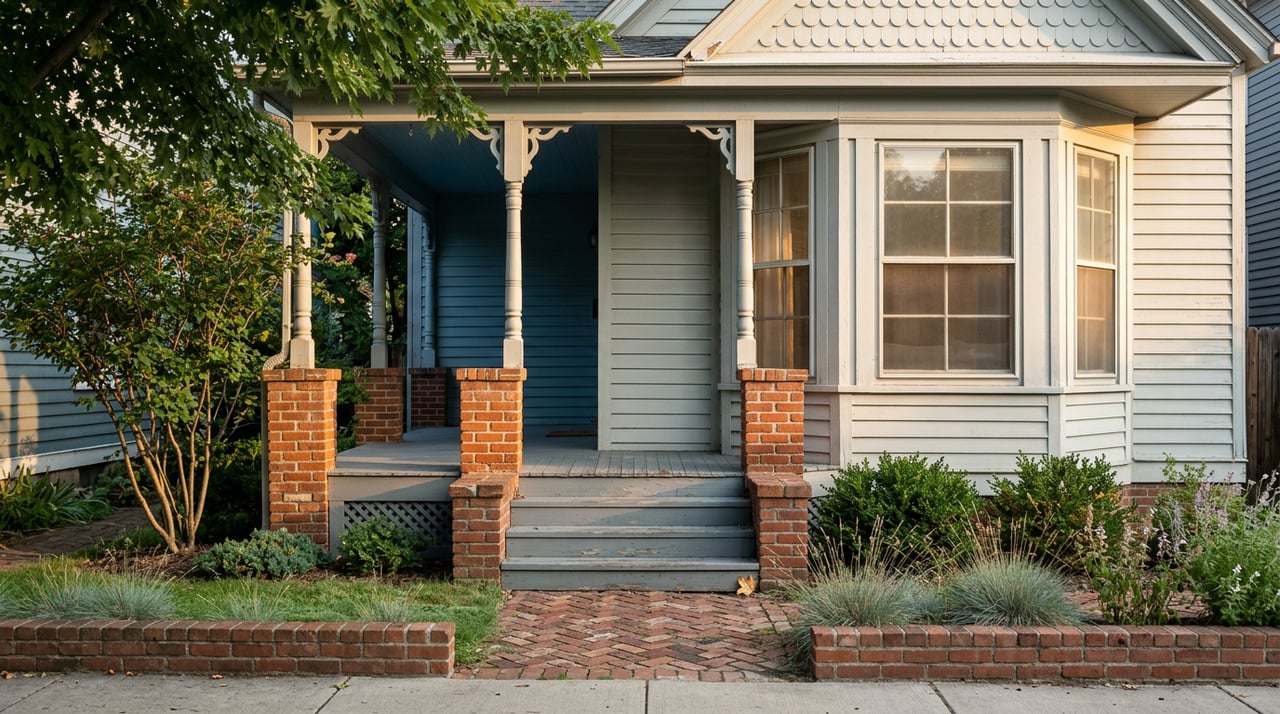
Mapleton Hill is one of Boulder’s earliest and most architecturally rich neighborhoods. Mature trees, late 19th and early 20th century homes, and distinctive streetscapes create a sense of place that design-minded buyers seek out. Your listing is not competing on square footage alone. It is competing on authenticity, provenance, and craftsmanship.
Luxury buyers here value proximity to downtown and the Flatirons, walkability, privacy, and renovations that respect historic fabric while adding modern comfort. Inventory is limited and highly differentiated, so your success hinges on trust, documentation, and storytelling that makes the premium feel justified.
Prep with preservation in mind
Selling a historic home begins before photography or staging. Start by aligning your prep with local preservation realities and buyer expectations.
Approvals and reviews
Many exterior changes in Mapleton Hill require review by the City of Boulder historic and landmarks staff, and in some cases a landmarks board. Roofing, windows, porches, and additions often fall under this review. If you plan any pre-listing work that touches the exterior, consult preservation staff early. This helps you avoid delays and market recent work as properly reviewed.
Documentation buyers expect
Buyers will ask about permits, electrical and plumbing condition, any knob-and-tube wiring, lead-based paint, foundation or drainage history, and preservation easements. Create a clean file that includes:
- Permits and approvals for past renovations
- Contractor invoices and warranties
- Inspection reports and system upgrades
- Any preservation or easement documentation
A ready-to-share dossier builds confidence and speeds negotiations.
Balanced updates that respect history
You do not need to erase patina to sell. Prioritize reversible, sympathetic updates that enhance livability without undermining original fabric. If kitchens and baths need attention, aim for functional, attractive improvements that align with your home’s era. Keep a record of all work and approvals so buyers can see quality and compliance.
Financial notes to consider
Federal tax credits for historic rehabilitation primarily serve income-producing properties. Private-owner incentives vary by state and local programs. Historic designation can be a selling point due to neighborhood protections and authenticity, but buyers will want clarity on any constraints. A balanced discussion helps you avoid surprises later.
Staging that honors character
Staging a historic home is less about adding trend and more about revealing craftsmanship. The goal is to help buyers see how the home lives today while celebrating its origins.
Core staging principles
- Preserve and showcase original features like woodwork, moldings, built-ins, fireplaces, and hardware.
- Use reversible solutions for lighting, rugs, and furniture so historic fabric stays intact.
- Blend period-appropriate accents with modern comforts to demonstrate livability.
- Highlight materials and joinery with close-up visuals so quality reads clearly.
Smart pre-listing fixes
- Book a pre-listing inspection with a contractor experienced in historic homes.
- Address obvious deferred maintenance to reduce buyer friction.
- Refinish original floors, repair plaster, and restore trim where feasible.
- Document system upgrades such as HVAC, insulation improvements, and electrical panels.
Room-by-room cues
- Kitchens and baths: Emphasize function and premium materials while respecting scale.
- Lighting: If historic fixtures are missing or nonfunctional, use high-quality, neutral replacements that photograph well.
- Flow: Reduce furniture to reveal room proportions and original focal points like windows or a fireplace.
Curb appeal and streetscape
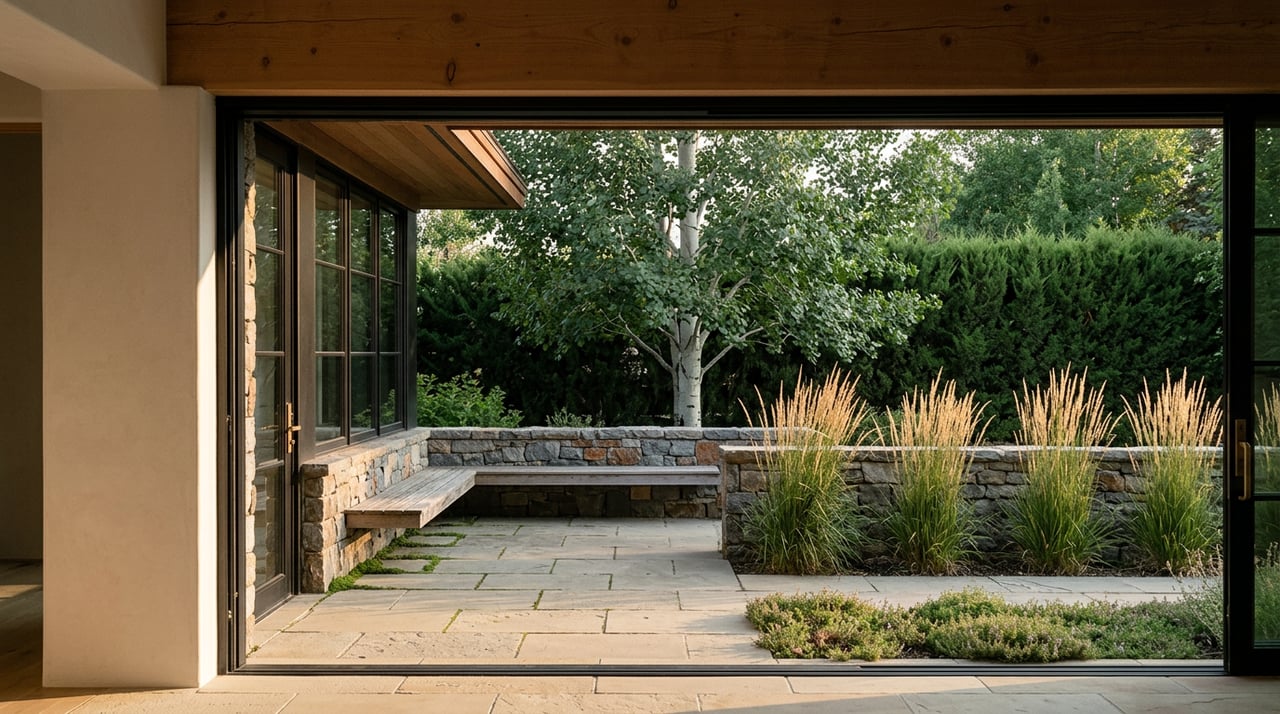
Mapleton Hill’s tree canopy and front yards are part of the experience. Prune as needed, refresh beds with native plantings, and clean hardscape so your frontage reads as intentional and cared for.
Media that tells your story
Your home deserves media that feels like a feature in a design magazine. Narrative-driven content connects features to history, materials, and lifestyle.
Build a clear narrative
- Lead with a concise hero headline that places the home in its era and highlights a signature feature.
- Write a 150 to 300 word listing description that covers provenance, craftsmanship, and lifestyle benefits.
- Create a longer story for a property microsite or brochure that includes an architectural timeline, restoration notes, and neighborhood context.
Photography that sells
- Exterior: Capture a hero facade, a twilight image, and a streetscape that shows canopy and rhythm.
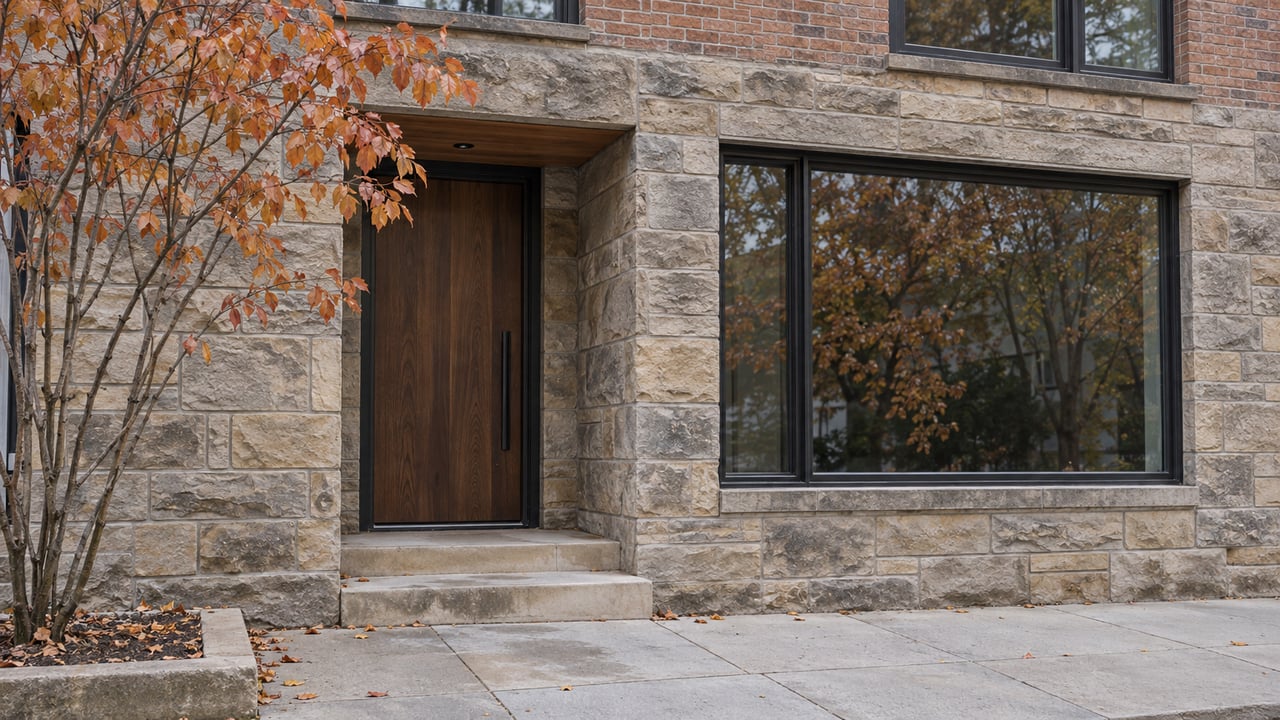
- Interior: Produce feature shots for principal rooms and detail shots of millwork, hardware, tile, and flooring.
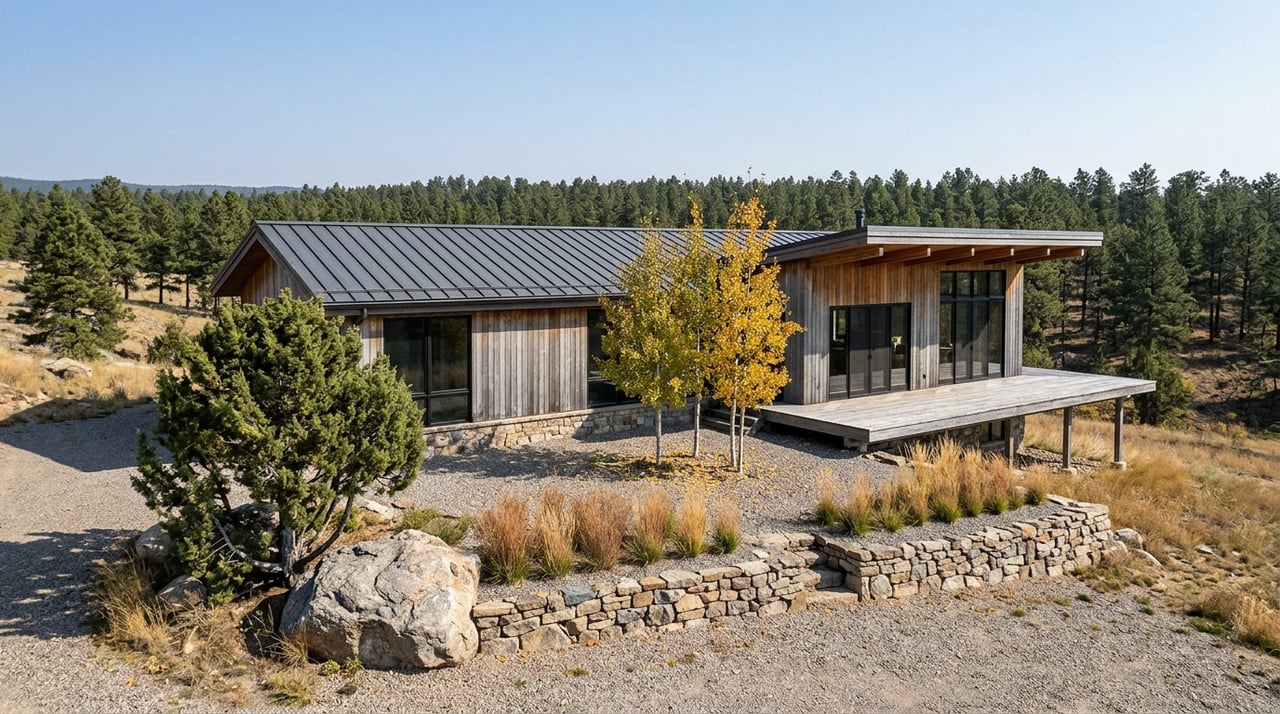
- Aerials: Use drone photography to show lot lines, tree canopy, and proximity to downtown and the Flatirons. Follow FAA rules and any local guidelines, and secure permissions where needed.
- 3D tours and floor plans: Provide a Matterport-style walkthrough and accurate plans with measurements to serve out-of-town buyers and pre-qualify showings.
Video and dynamic content
- Create a 60 to 120 second cinematic film for social and teaser campaigns.
- Record a 3 to 6 minute guided walkthrough focused on architect, materials, and restoration choices.
- Add short interview clips with the architect, contractor, or preservation consultant if applicable. These segments build credibility.
Distribution for high exposure
Reaching motivated luxury buyers requires both broad visibility and targeted touchpoints.
Targeted broker outreach
- Curate broker packets with provenance, permits, and restoration details.
- Host invitation-only previews for top agents who represent high-net-worth clients.
- Share agent-led walkthrough videos and 3D tours to qualify interest and reduce disruption.
Print and private events
- Produce high-quality brochures that echo your narrative and document key finishes and approvals.
- Consider selective placement in regional or national lifestyle publications.
- Host discreet preview events or curated showings for qualified buyers. Partnering with a local designer can elevate the experience without turning it into a commercial showcase.
Digital ads and SEO
- Run targeted social campaigns focused on architecture, design, and lifestyle interests with geotargeting in relevant high-net-worth areas.
- Email curated lists that include top-producing brokers, relocation advisors, and past luxury buyers.
- Build a simple property microsite optimized for terms like Mapleton Hill, Boulder historic home, and your home’s era or signature features. Pair it with a narrative blog post about history and restoration.
Pricing, timeline, and budget
Luxury historic homes do not price like newer builds. They price by match quality and proven condition.
How to price smart
Use custom comps from Mapleton Hill that match style, lot, and condition, not just square footage. Adjust for documented restorations and system upgrades. Buyers will pay a premium for authenticity and turnkey condition when you provide clear evidence.
A realistic timeline
- Weeks 0 to 2: Consultation, property audit, custom comps, and staging plan.
- Weeks 2 to 6: Short pre-listing projects, cleaning, staging, photography, and media.
- Weeks 6 to 8 plus: Larger restoration or any exterior work that may require preservation review.
Build in lead time for high-end media booking, broker events, and print placement. A deliberate rollout can amplify demand.
Budget ranges to expect
These are broad ranges. Always get local quotes that fit your property and scope.
- Professional photography: low to mid hundreds up to $1,500 plus
- 3D tours: a few hundred to $1,000 plus
- High-end video: $1,500 to $7,500
- Staging: $2,000 to $6,000 for a refresh; $8,000 to $30,000 plus for full luxury staging
- Restoration and preservation consulting: variable; add contingency for approvals and timing
A tailored plan for your sale
Selling well in Mapleton Hill means pairing preservation know-how with design-minded marketing. You want an advisor who can assess systems and finishes, curate the story, and distribute it to the right audience without missing a step.
Here is what a tailored strategy session includes:
- Pre-listing property audit focused on historic systems and visible fabric
- Comparative market analysis centered on Mapleton Hill comps
- Preservation and permit risk review to flag likely approvals
- Staged media plan covering photography, video, 3D, and broker outreach
- Timeline and preliminary budget so you can plan with confidence
How to prepare:
- Gather permits, warranties, contractor invoices, and inspection reports
- List known issues and recent upgrades
- Note any preservation approvals or easements
When your home’s story is clear and your documentation is strong, buyers respond with confidence. If you are ready to position your Mapleton Hill home for a premium result, schedule a tailored strategy session with John Canova.
FAQs
Will historic status hurt my sale in Mapleton Hill?
- Historic designation does not prevent a sale and can enhance desirability by protecting neighborhood character; disclose any restrictions and be ready to share permits and approvals.
Should I renovate kitchens or baths before listing a historic home?
- Make them functional and attractive, but choose sympathetic, reversible updates that fit the home’s era and document all work and permits.
How do I handle lead paint or knob-and-tube wiring disclosures?
- Disclose known conditions and secure pre-listing inspections or remediation estimates to reduce uncertainty for buyers and streamline negotiations.
What media package is expected for a luxury historic listing?
- Expect professional photography, twilight and detail shots, a short cinematic video, a guided walkthrough, a 3D tour with floor plans, and a polished brochure or microsite.
How will you reach out-of-area luxury buyers for Mapleton Hill?
- Use targeted digital ads, curated email outreach, national and international luxury networks, and invitation-only broker previews to extend reach beyond Boulder.
How long should I plan for pre-listing prep on a historic home?
- Plan for 2 to 6 weeks for minor projects and media, with 6 to 8 plus weeks if exterior work needs preservation review or if you are coordinating larger restorations.